
Can You Use Retainer Cleaning Tablets in an Ultrasonic Cleaner?
Learn when retainer cleaning tablets can be used in an ultrasonic cleaner, what compatibility checks matter, and how to avoid heat, chemical and residue problems.

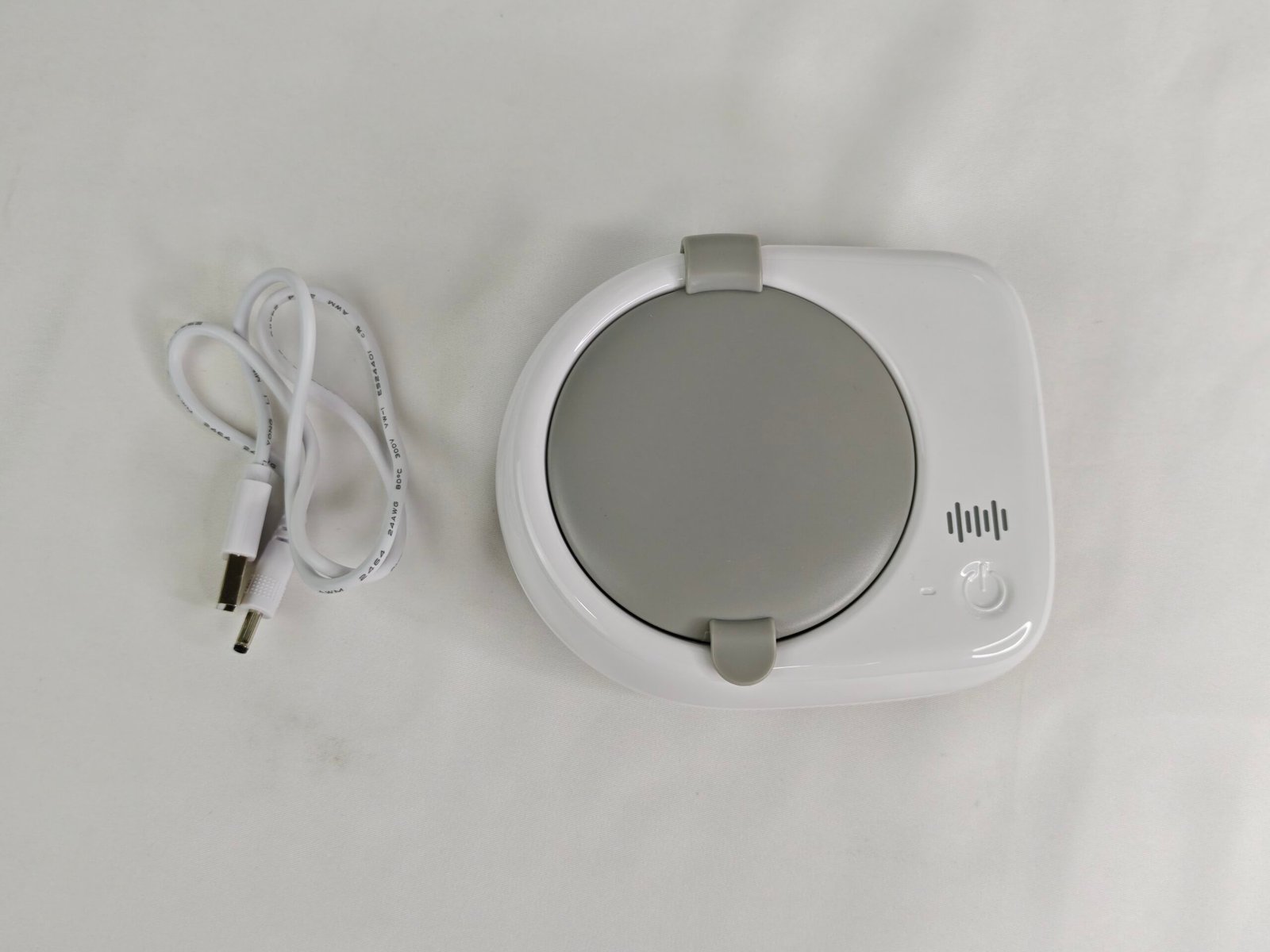
Quick answer: You can use some retainer cleaning tablets in an ultrasonic cleaner—but only when the tablet label, the dental appliance instructions and the cleaner manual all allow it. Use the recommended amount in cool or lukewarm water, follow the stated contact time, rinse the retainer thoroughly and empty the tank after the cycle. Do not assume that every denture tablet, aligner material or ultrasonic cleaner is compatible.
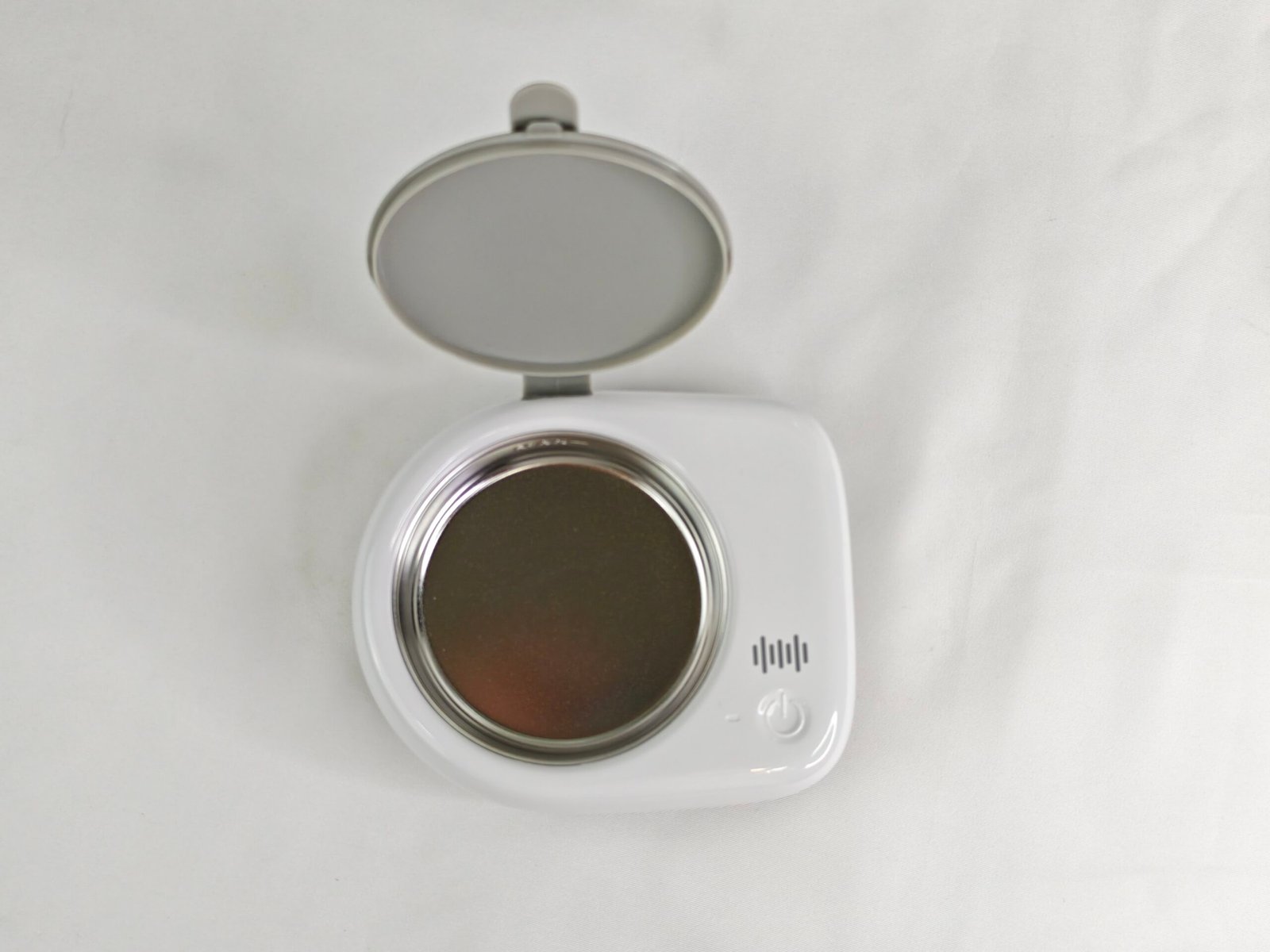
Why this is not a simple yes-or-no question
An ultrasonic cleaner and a cleaning tablet do different jobs. Ultrasound creates cavitation in the liquid, helping the solution reach grooves and loosen deposits. A tablet adds chemistry that may help with residue, staining or odor, depending on its formula. Combining them can be useful, but it also changes the liquid in contact with the retainer, metal wires, acrylic, adhesives and the cleaner’s stainless-steel tank.
That is why compatibility matters more than the word “retainer” on the package. Cleveland Clinic advises using an effervescent cleanser only if it is safe for the specific retainer and recommends asking a dental provider which products to use. See its retainer care guidance.
Three instructions must agree before you add a tablet
| Check | What to look for | Why it matters |
|---|---|---|
| Dental appliance instructions | Approved cleaners, temperature limits and soaking restrictions | Clear thermoplastic, acrylic and metal-containing appliances may have different limits |
| Tablet label | Compatible appliance types, dosage, water temperature and contact time | A denture product is not automatically approved for every clear retainer or aligner |
| Ultrasonic cleaner manual | Permitted water-based solutions, fill level and cycle instructions | Some chemicals can damage the tank, seals or other components |
If any one of these instructions prohibits the combination—or does not provide enough information—use water alone until the appliance manufacturer, dentist or cleaner supplier confirms compatibility.
How to use retainer cleaning tablets in an ultrasonic cleaner
- Inspect the appliance. Do not continue if the retainer is cracked, warped, delaminating or has a loose wire. Ask the dental provider for advice.
- Check all three sets of instructions. Confirm the tablet is intended for the appliance material and permitted in the cleaner.
- Fill with the correct water temperature. For heat-sensitive retainers and aligners, use cool or lukewarm water unless the appliance maker gives a different instruction. Avoid hot or boiling water.
- Use the labelled dose. More tablet does not mean better cleaning. Allow it to dissolve as directed and watch for excessive foam.
- Place the appliance correctly. Use the supplied basket or holder when the cleaner’s manual requires one. Do not force an appliance into a tank that is too small.
- Run an appropriate cycle. Stay within both the ultrasonic cleaner’s cycle guidance and the tablet’s maximum contact time.
- Rinse thoroughly. Rinse the appliance with clean water before placing it back in the mouth.
- Empty and rinse the tank. Do not store used tablet solution in the machine. Wipe and dry the tank according to the cleaner manual.
What should never go into the tank?
Do not add alcohol, gasoline, flammable solvents, chlorine bleach, strong acids or an unlabelled chemical mixture to a standard countertop ultrasonic cleaner. The official Bransonic Ultrasonic Bath operating manual specifies water-based solutions, prohibits flammable liquids and chlorine bleach, warns against mineral acids, and advises changing the solution regularly. Instructions vary by machine, so the exact cleaner manual takes priority.
Also avoid combining several cleaning products. A tablet plus mouthwash, peroxide, detergent or another additive may create an unknown mixture, increase foaming or leave residue. Never improvise a chemical recipe for an appliance worn in the mouth.
Can warm water improve the result?
Warmer water can change how quickly a tablet dissolves, but that does not make high temperature suitable for every retainer. Clear thermoplastic appliances can be heat-sensitive, and excessive temperature may affect fit or shape. Follow the appliance manufacturer’s temperature limit rather than using the ultrasonic cleaner’s maximum temperature as a target.
This is also why compact dental cleaners are commonly used without a heater. For related background, see why heated ultrasonic retainer cleaners are uncommon.
Does a tablet plus ultrasound sterilize a retainer?
No. Cleaning, disinfection and sterilization are different outcomes. Ultrasonic action can help remove deposits and biofilm from hard-to-reach surfaces, while a compatible tablet may add a chemical cleaning step. Neither should be described as sterilization unless a validated process and product instructions specifically support that claim.
Brands and distributors should avoid unsupported statements such as “kills all bacteria” or “medical sterilization.” Product pages, packaging and user manuals should describe the actual validated function. For a deeper explanation, read what ultrasonic cleaning can and cannot do about bacteria on retainers.
Special considerations for different dental appliances
Clear retainers and aligners
Prioritize temperature control and material compatibility. Avoid abrasive toothpaste and any cleanser not approved for the appliance. If the aligner is part of active orthodontic treatment, follow the treating provider’s instructions.
Hawley retainers
These may combine acrylic and metal wire. A cleanser must be compatible with both materials, and the appliance should not be left in solution longer than directed.
Dentures and partial dentures
Denture-cleaning tablets may be labelled for specific denture materials, but partial dentures can include metal components or other materials with different chemical limits. Confirm the exact appliance type rather than relying on a generic “denture-safe” assumption.
What OEM and private-label buyers should test
For an OEM ultrasonic retainer cleaner, compatibility instructions are part of the product—not an afterthought. Before printing a manual or advertising use with tablets, test the intended combination and document:
- retainer appearance, transparency and surface feel after repeated cycles;
- fit and dimensional stability of heat-sensitive appliances;
- metal discoloration or corrosion on mixed-material appliances;
- tank staining, pitting or residue;
- foam level at the maximum fill line;
- odor and residue after rinsing;
- cycle time compared with the tablet’s contact time;
- clear disposal, rinsing and tank-maintenance instructions.
The M9C3202 48kHz retainer cleaner is one example of a compact 220mL SUS304-tank model for removable dental appliances. Buyers should still validate any tablet or solution they intend to recommend with the exact appliance and production sample. For broader chemical-selection principles, see the ultrasonic cleaning solution guide.
Frequently asked questions
Can I put a denture tablet in an ultrasonic retainer cleaner?
Only if the tablet is approved for the retainer’s material and the ultrasonic cleaner permits that water-based solution. “Denture tablet” does not automatically mean “safe for every clear retainer.”
Should the tablet dissolve before the ultrasonic cycle?
Follow the tablet label. Pre-dissolving can help avoid concentrated granules resting on one part of the appliance, but the manufacturer’s directions should determine the method.
Can I reuse the tablet solution?
Do not store dirty solution in the machine. Discard it according to the tablet instructions, then rinse and dry the tank. Fresh solution also makes the cleaning process easier to reproduce.
Is water alone enough?
Water may be adequate for light daily residue, while a compatible cleaner can help with more persistent buildup. The safest choice depends on the appliance material, contamination and manufacturer instructions.
Bottom line
Retainer cleaning tablets can be used with some ultrasonic cleaners, but compatibility must be confirmed—not guessed. Match the appliance instructions, tablet label and machine manual; avoid excessive heat and aggressive chemicals; rinse the appliance; and clean the tank after every solution cycle.
Developing a private-label dental cleaner? Contact SONICLEANTECH with the appliance type, target market, intended cleaning solution, required tank size and estimated order quantity so the sample-testing plan can be discussed before production.