
What Can and Can’t Be Cleaned with a Home Ultrasonic Cleaner?

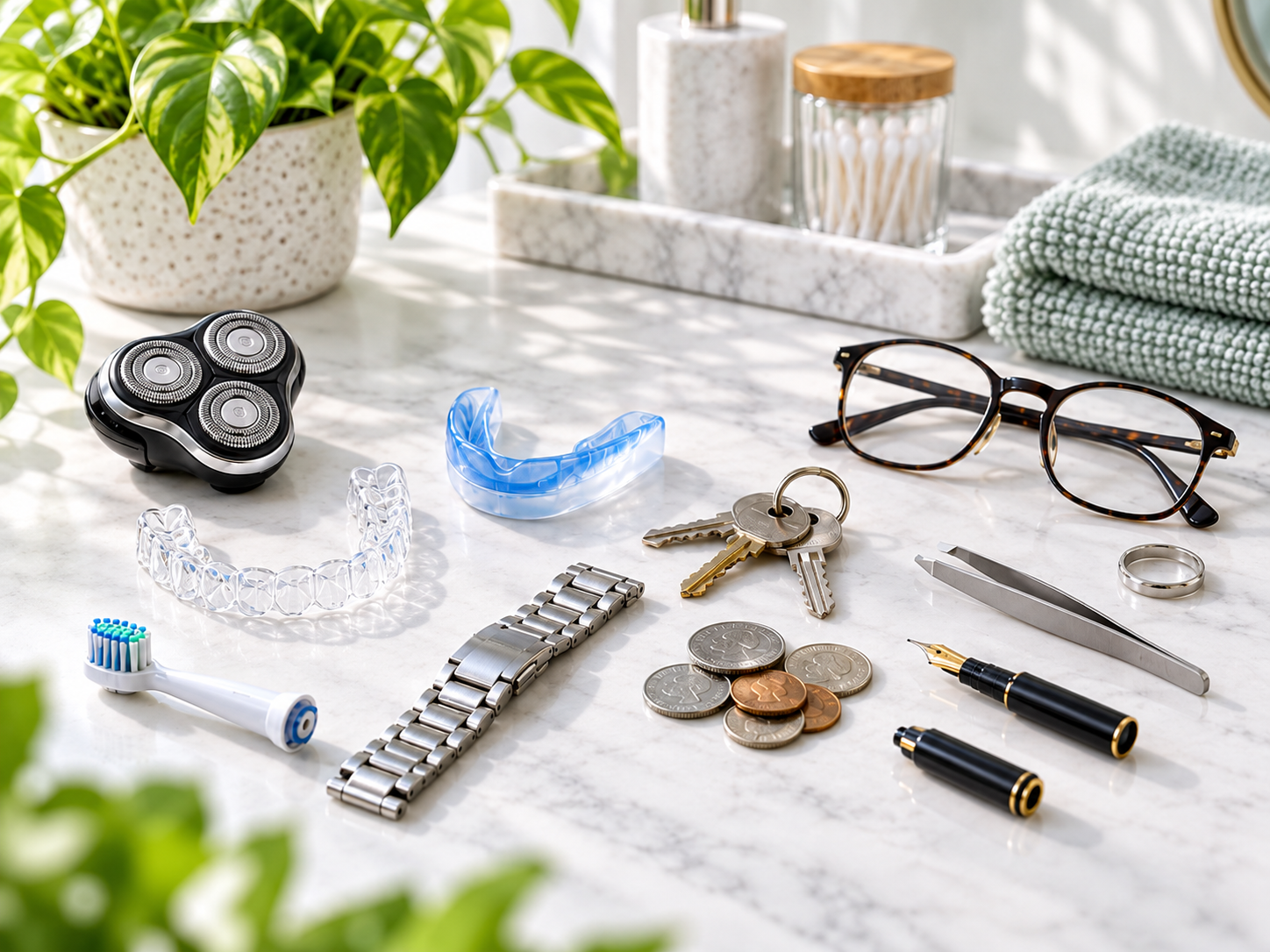
A home ultrasonic cleaner is a smart and efficient cleaning device designed for everyday items such as eyeglasses, jewelry, retainers, dentures, watches, and small personal accessories. By using high-frequency ultrasonic waves, it creates millions of microscopic bubbles in the water. These bubbles gently reach into tiny gaps, grooves, and hard-to-clean areas, helping remove dirt, oil, dust, and residue without harsh scrubbing.
However, not every item is suitable for ultrasonic cleaning. Some materials may become damaged, loosened, cracked, faded, or delaminated if placed in an ultrasonic cleaner. Before using your device, it is important to understand what items can be cleaned safely and what items should be avoided.
Items That Can Usually Be Cleaned
1. Eyeglasses and Sunglasses
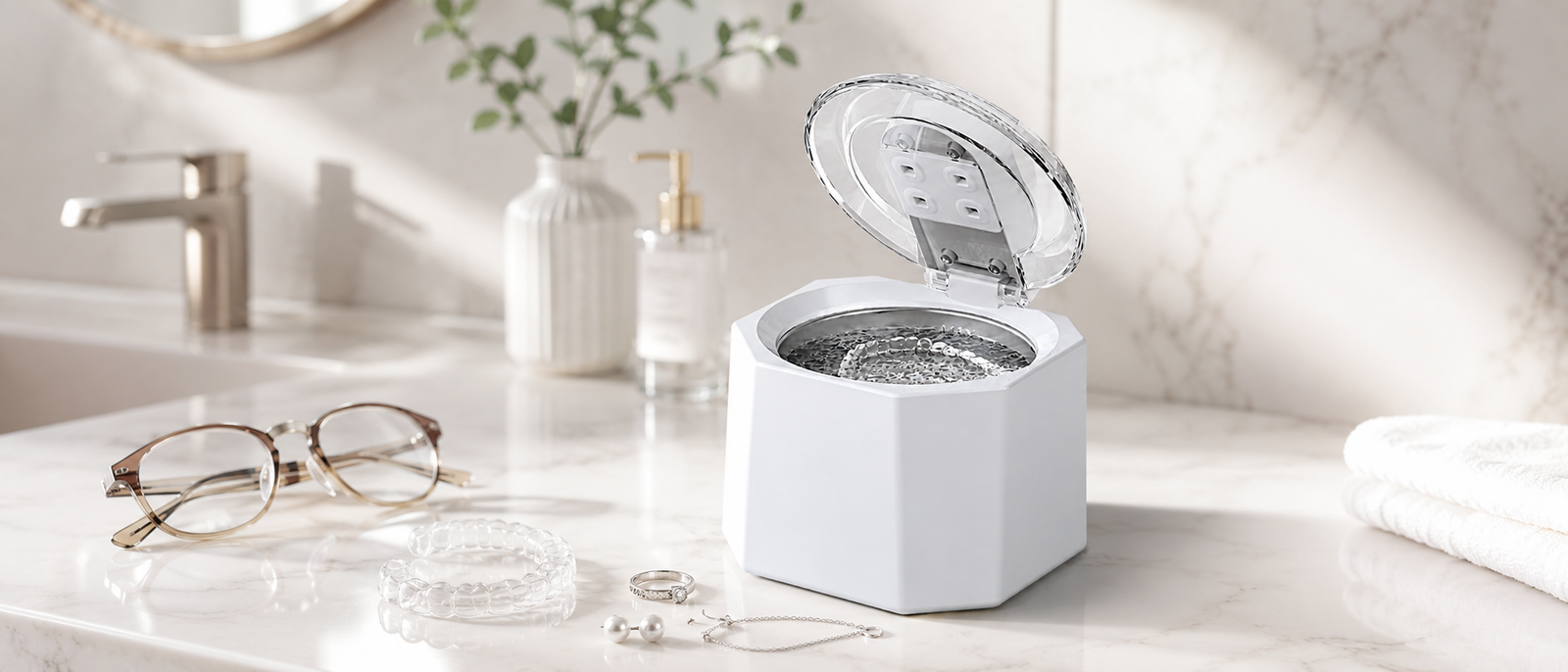
Ultrasonic cleaners are commonly used for eyeglasses because they can remove oil, dust, sweat, and dirt from the frame, nose pads, screws, and lens edges. These areas are difficult to clean thoroughly by hand.
Before cleaning, make sure the lenses are not cracked and the coating is in good condition. If the lens coating is already peeling or damaged, ultrasonic vibration may make the problem worse.
Suitable for:
Plastic frames, metal frames, most regular eyeglasses, reading glasses, and sunglasses in good condition.
Use with care:
Coated lenses, old glasses, glued decorations, or frames with loose parts.
2. Dental Retainers, Aligners, and Dentures
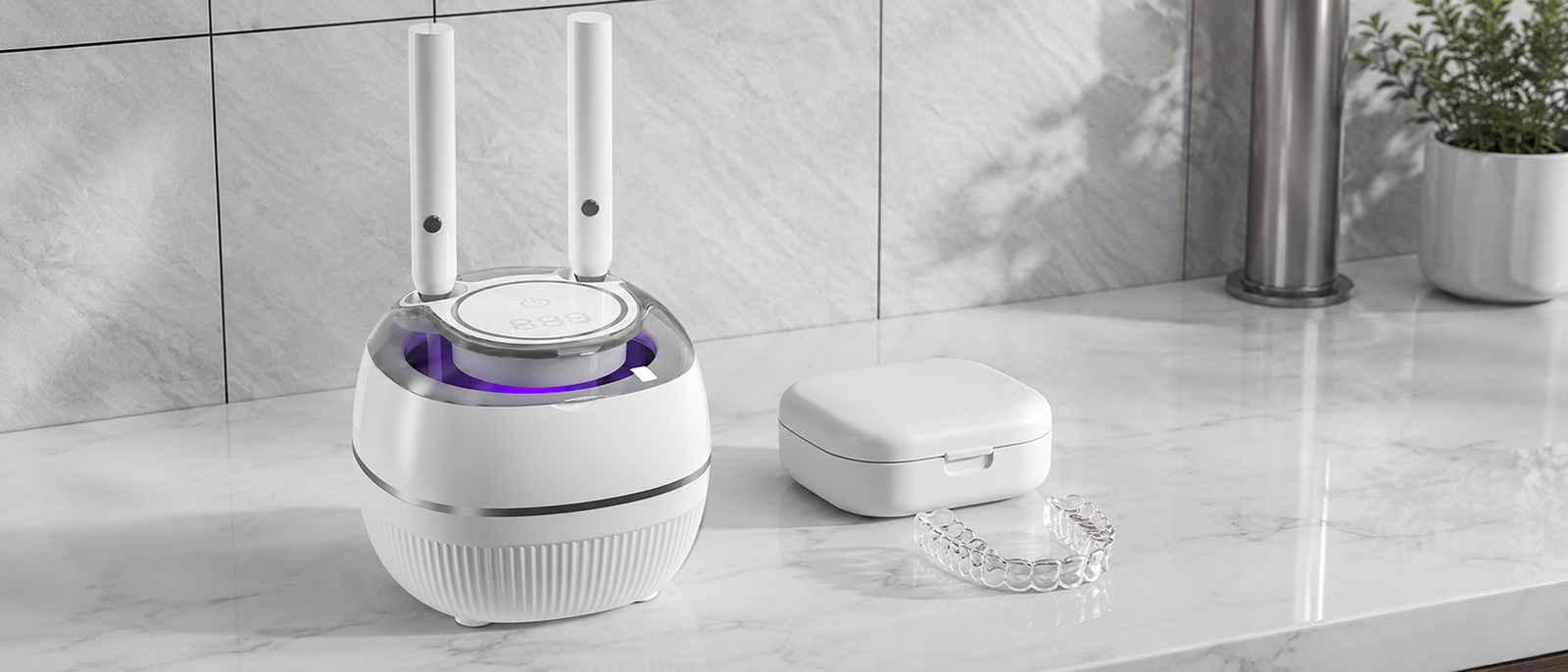
Dental appliances such as retainers, aligners, mouth guards, and dentures can collect saliva residue, stains, and bacteria over time. Ultrasonic cleaning helps remove buildup from small grooves and surfaces, making daily care easier and more hygienic.
For best results, use clean water or a suitable dental cleaning solution. Avoid using hot water, as high temperature may deform plastic dental appliances.
Suitable for:
Clear aligners, retainers, dentures, night guards, and mouth guards.
Do not use:
Boiling water, strong chemicals, bleach, or alcohol-based liquids.
3. Jewelry
Ultrasonic cleaners are effective for many types of jewelry, especially metal jewelry that has dirt, oil, or lotion residue. Rings, necklaces, bracelets, and earrings with simple metal structures can often be cleaned very well.
However, not all gemstones are suitable for ultrasonic cleaning. Soft, porous, glued, cracked, or treated stones may be damaged by ultrasonic vibration.
Usually suitable:
Gold, silver, platinum, stainless steel jewelry, and hard gemstones such as diamonds.
Use with caution:
Jewelry with glued stones, loose stones, delicate settings, pearls, emeralds, opals, turquoise, coral, amber, and other soft or porous gemstones.
4. Watch Bands
Metal watch bands are often suitable for ultrasonic cleaning because dirt and sweat can easily build up between the links. Ultrasonic cleaning can reach these small gaps more effectively than manual washing.
However, the watch head should not be placed in the cleaner unless it is specifically rated for ultrasonic cleaning by the manufacturer. Even water-resistant watches may be affected by ultrasonic vibration.
Suitable for:
Removable stainless steel watch bands and metal straps.
Do not clean:
The watch body, leather straps, smart watches, or watches with electronic components.
5. Small Personal Items
Many small household and personal items can be cleaned with an ultrasonic cleaner if they are waterproof and structurally stable.
Suitable items include:
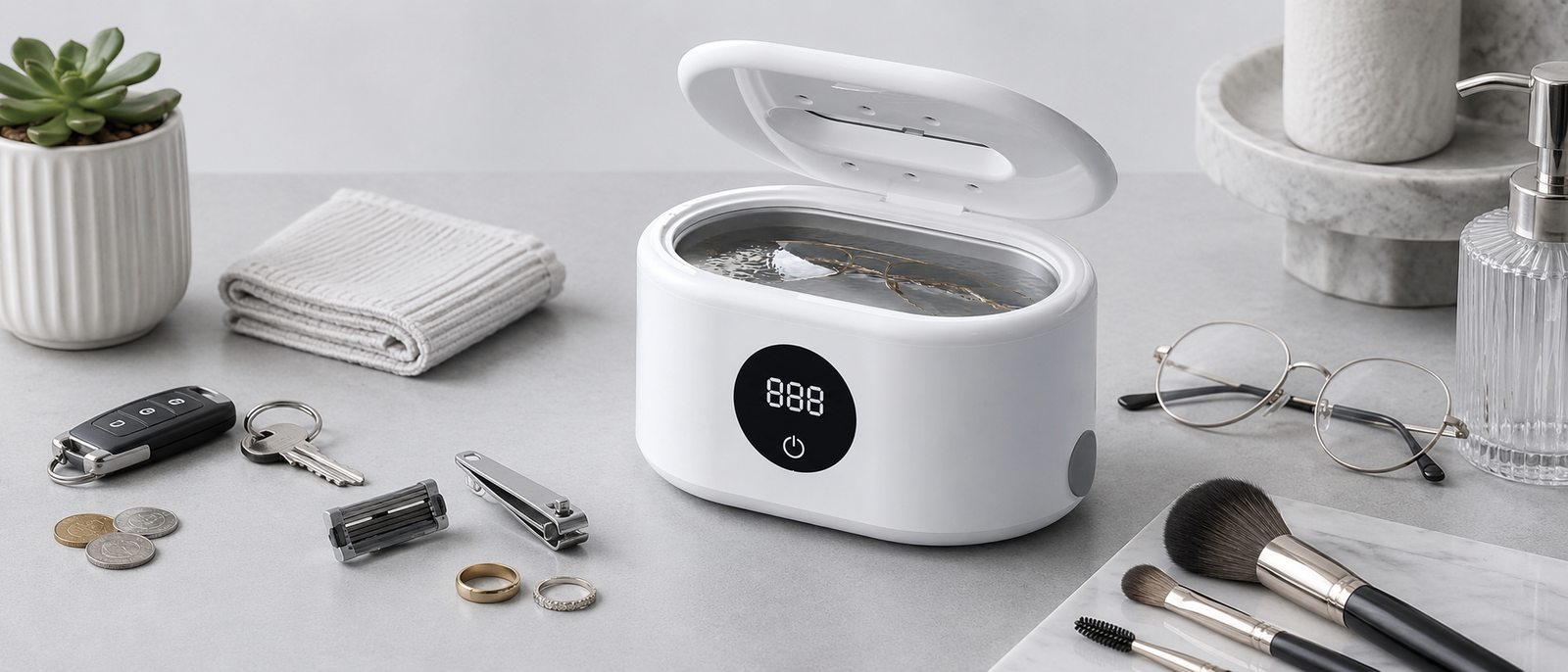
Keys, coins, nail clippers, razor heads, makeup brush heads, metal combs, small tools, and waterproof accessories.
Make sure the items do not contain batteries, electronic circuits, leather, wood, or glued decorative parts.g signs of wear.
Items That Should NOT Be Cleaned
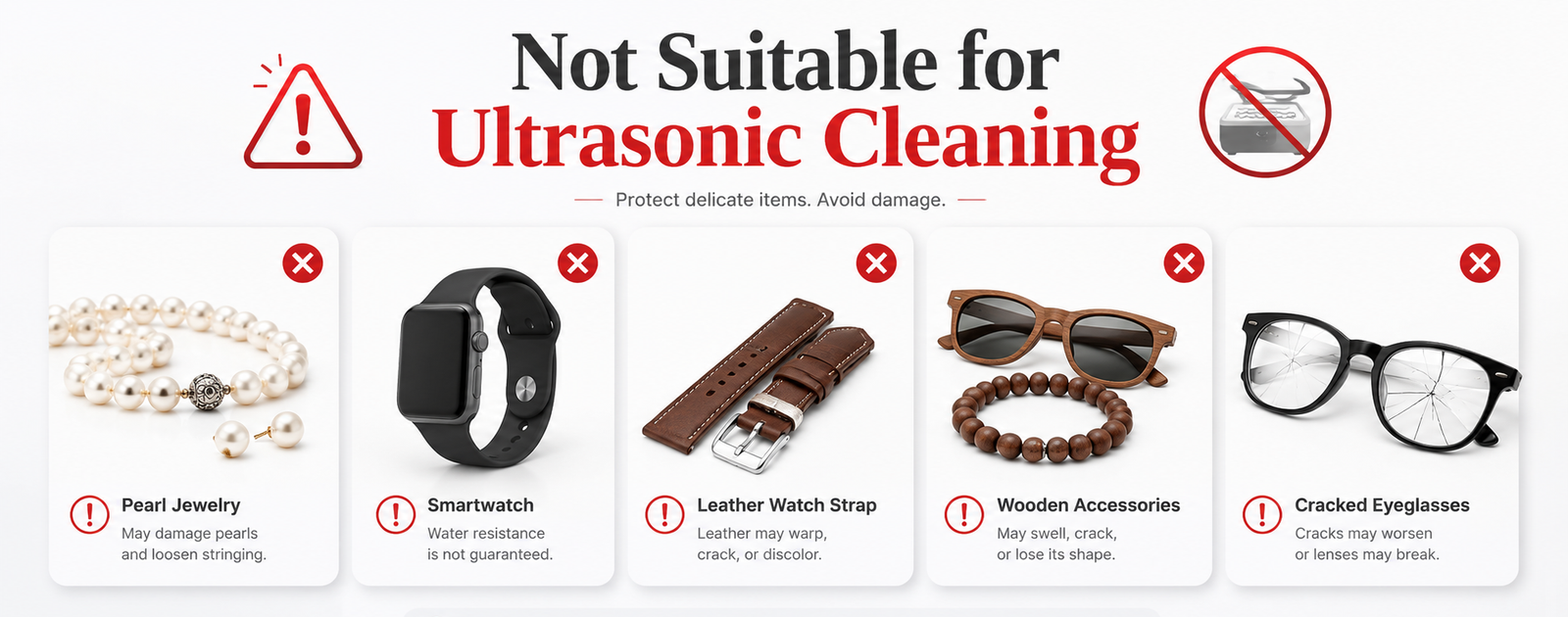
1. Pearls, Opals, Emeralds, and Soft Gemstones
Soft or porous gemstones can absorb water or be affected by ultrasonic vibration. Pearls, opals, emeralds, turquoise, coral, amber, and similar materials may lose their shine, crack, or become damaged.
These items are better cleaned gently by hand with a soft cloth.
2. Items with Glued Parts
Ultrasonic vibration may weaken glue or adhesive. If an item has glued stones, glued decorations, laminated layers, or bonded parts, ultrasonic cleaning may cause separation, loosening, or delamination.
This is especially important for low-quality jewelry, decorative eyeglass frames, glued watch parts, and accessories with artificial stones.
3. Electronics and Smart Devices
Do not place electronic devices in an ultrasonic cleaner. This includes smart watches, earbuds, hearing aids, phones, electronic toothbrush bodies, and any item with a battery or circuit board.
Even if the item is water-resistant, ultrasonic waves may force moisture into small gaps and damage internal components.
4. Leather, Wood, Fabric, and Porous Materials
Leather straps, wooden accessories, fabric items, and porous materials should not be cleaned ultrasonically. These materials may absorb water, swell, crack, fade, or lose their shape.
5. Damaged, Cracked, or Coated Items
If an item already has cracks, peeling coating, loose parts, or surface damage, ultrasonic cleaning may make the damage worse. For example, lenses with damaged coating may peel further, and plated jewelry may lose surface layers more easily.
Avoid ultrasonic cleaning if the item is old, fragile, or already showing signs of wear.
Why Some Items May Peel, Loosen, or Delaminate
Ultrasonic cleaners work through cavitation. This process creates tiny bubbles that collapse rapidly and produce cleaning energy. For strong and stable materials, this cleaning action is very effective. But for fragile surfaces, weak coatings, glued layers, or already damaged items, the vibration may speed up separation.
Possible problems include:
- Lens coating peeling
- Plated jewelry fading
- Glued stones becoming loose
- Decorative layers separating
- Cracked materials becoming worse
- Plastic parts deforming if hot water is used
This does not mean ultrasonic cleaning is unsafe. It means the right items and correct cleaning method are very important.
Tips for Safe Ultrasonic Cleaning at Home
Use clean water and avoid strong chemicals unless recommended. Do not use boiling water, especially for dental appliances or plastic items. Place items gently into the tank and avoid overcrowding. For delicate items, use a shorter cleaning cycle first. After cleaning, rinse the item with clean water and dry it with a soft cloth.
If you are unsure whether an item is suitable, check the product manufacturer’s instructions first or test with extra care.
Conclusion for Ultrasonic cleaner use
A home ultrasonic cleaner is a convenient and powerful tool for daily cleaning. It is ideal for eyeglasses, retainers, dentures, metal jewelry, watch bands, keys, coins, and many small personal items. It helps remove hidden dirt from small gaps and brings a deeper clean than hand washing.
At the same time, fragile gemstones, glued items, electronics, leather, wood, fabric, damaged coatings, and cracked items should be avoided. Choosing the right items to clean will help protect your belongings and get the best cleaning results from your ultrasonic cleaner.
For daily personal care, dental appliance cleaning, jewelry maintenance, and eyewear cleaning, a home ultrasonic cleaner is a practical and reliable choice for modern households.
Thanks for reading!