
EU Private-Label Ultrasonic Cleaner Labeling Checklist for Importers
A 2026 practical checklist for EU importers and private-label brands covering ultrasonic cleaner labels, packaging, manuals, online listings, CE documentation, GPSR and WEEE.

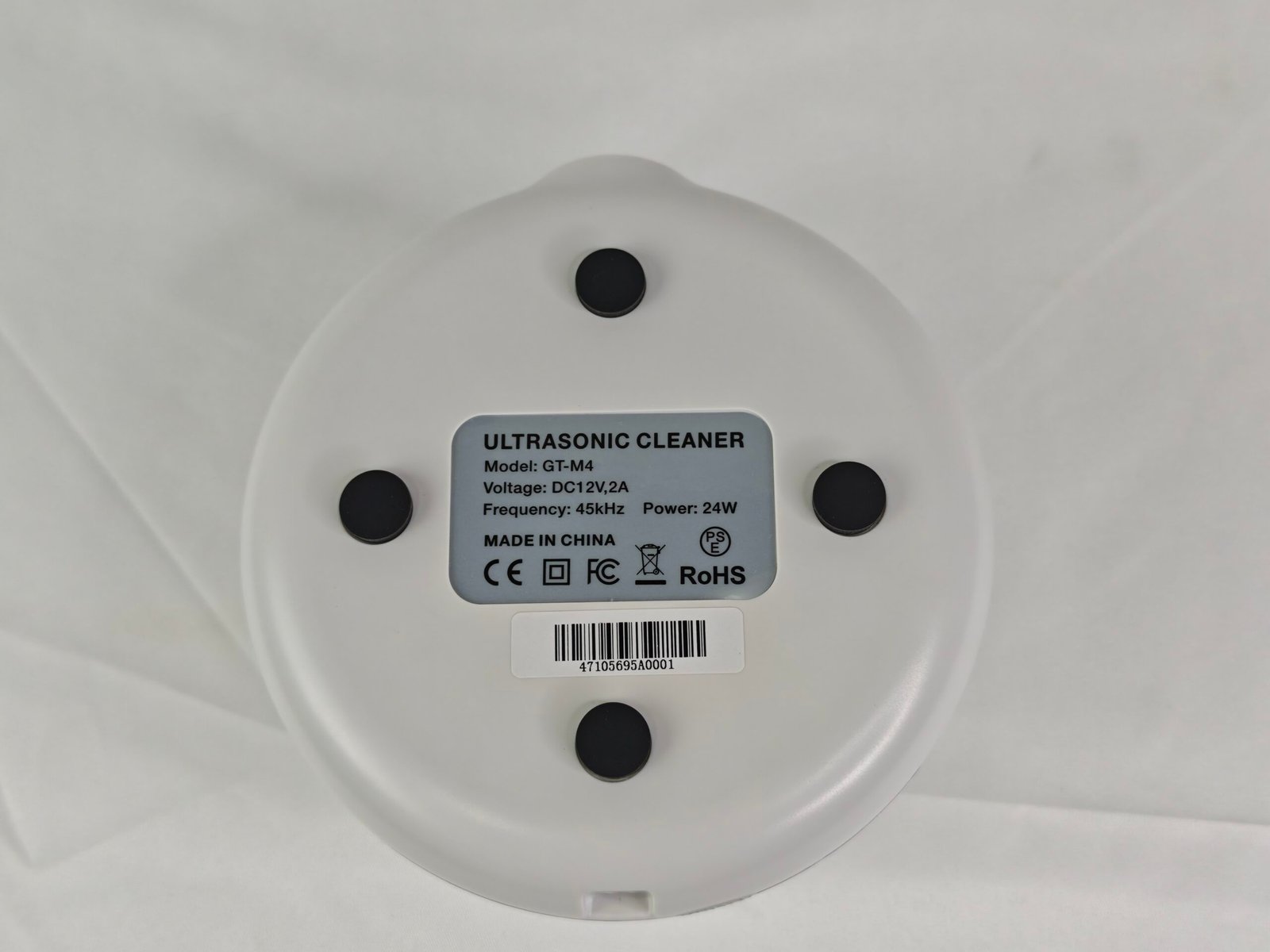
Quick answer: An EU-ready private-label ultrasonic cleaner needs more than attractive packaging and a CE logo. Before mass production, the buyer should align the product label, retail box, instructions, online listing and technical file around the same model identity, electrical ratings, economic-operator details, traceability data, safety information and justified compliance markings. A logo printed on a sample is not proof that the underlying compliance work is complete.
This private label ultrasonic cleaner EU compliance checklist is written for importers, distributors and brands preparing a consumer ultrasonic cleaner for sale in the European Union in 2026. It is a practical artwork and supplier-control guide, not legal advice. The exact rules depend on the product configuration, claims, power supply, connectivity and destination country, so have the final compliance route reviewed for your specific model.
Why private labeling changes the compliance conversation
When an importer sells a product under its own name or trademark, it may take on manufacturer responsibilities rather than remaining only a distributor. The European Commission’s CE-marking guidance makes this especially important for private-label buyers: the party presented as the manufacturer must identify the applicable requirements, arrange the correct conformity assessment, prepare technical documentation, issue the EU Declaration of Conformity where required and ensure the marking is used correctly.
For an ultrasonic cleaner, do not approve artwork by asking only, “Can the factory print CE?” Start with a more useful question: “Which EU rules apply to this exact configuration, and what evidence supports every claim and mark?” A mains-powered bath, a low-voltage unit supplied with an external adaptor, a rechargeable model and a connected model can require different reviews.
Step 1: Define the economic operators before artwork starts
Create a one-page responsibility sheet that identifies:
- the legal manufacturer and the brand shown to customers;
- the EU importer, including postal and electronic contact details;
- the EU-based responsible economic operator where required;
- the distributor or online seller;
- the party holding the technical file and signed declarations;
- the party handling complaints, incidents, corrective actions and recalls.
The General Product Safety Regulation (EU) 2023/988, applicable since 13 December 2024, strengthened traceability and distance-selling duties for consumer products. Do not leave the importer or responsible-person line as a blank placeholder until after printing. These roles affect the product, packaging, manual and online listing together.
Step 2: Build a controlled product-label checklist
The product label is the smallest artwork file and often the one with the highest error rate. Confirm the following fields against the approved specification and compliance file:
- Brand and model: use one exact model identifier across the unit, carton, manual, declaration, test reports and listing.
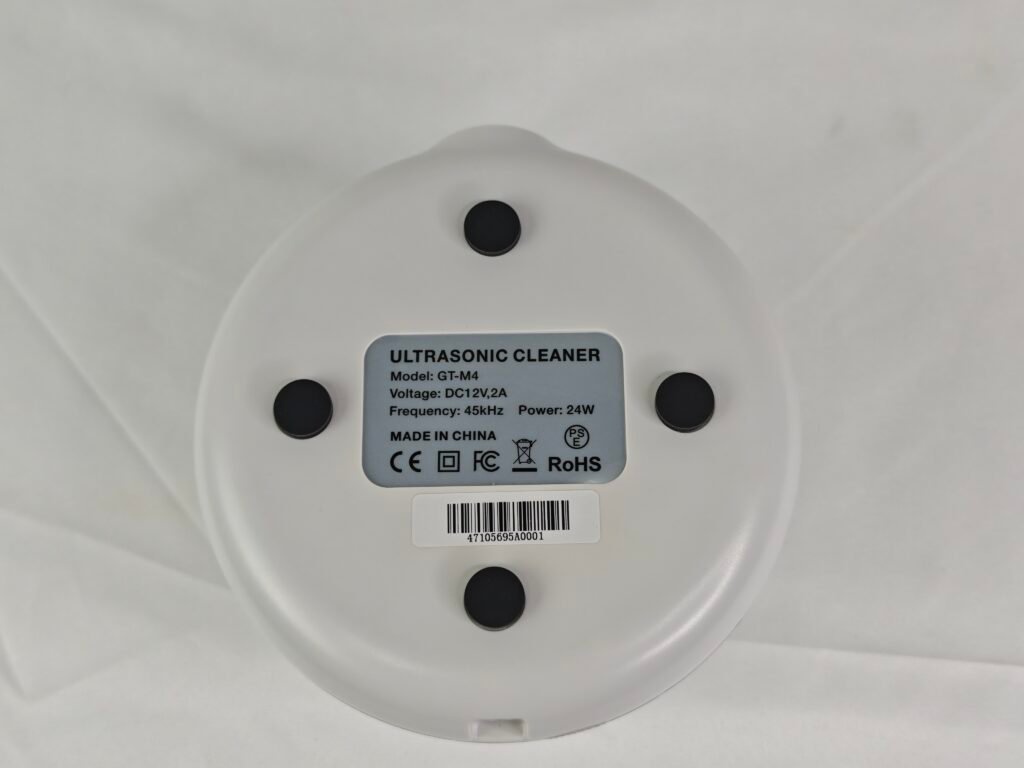
- Electrical ratings: show the applicable input voltage, current, frequency and/or power in the correct format. If an external adaptor is supplied, identify the approved adaptor specification and regional plug variant.
- Manufacturer identity: include the legally required name and contact details, not only a marketing logo.
- Importer or EU operator details: place them where the applicable rules require and keep them readable.
- Traceability: define a model, batch, lot or serial-number system that connects a shipped unit to production and quality records.
- Markings and symbols: use CE, WEEE and other symbols only when applicable and supported. Keep their proportions, minimum dimensions and clear space correct.
- Warnings: include on-product warnings when they are necessary for safe use and cannot rely solely on the manual.
A barcode is useful for logistics, but it is not a substitute for legal traceability. Likewise, changing only a sticker does not automatically make a factory model compliant under a new private brand.
Step 3: Make the packaging match the actual sales variant
Packaging should help a warehouse, customs reviewer, retailer and end user identify the exact version without opening the box. Check:
- brand, model and product description;
- rated voltage and plug or adaptor version;
- manufacturer, importer and other required operator details;
- batch or lot reference where used;
- essential warnings and destination-language requirements;
- included accessories and cleaning basket or holder;
- country-of-origin statement where applicable;
- correct waste and recycling information;
- claims that exactly match the evidence and instructions.
Avoid unsupported claims such as “sterilizes,” “medical grade,” “kills 99.9% of bacteria” or universal compatibility. Ultrasonic cleaning can remove soil from accessible and hard-to-reach surfaces, but cleaning is not the same as validated disinfection or sterilization.
Step 4: Treat the instruction manual as part of the product
A good manual reduces returns and helps demonstrate that foreseeable misuse was considered. It should cover:
- model identity and supplied components;
- correct power supply and setup;
- fill level, suitable liquid and operating sequence;
- items and materials that require caution or should not be cleaned ultrasonically;
- a clear prohibition on flammable or volatile cleaning liquids;
- cycle selection, drainage and routine maintenance;
- overheating, damage and abnormal-operation warnings;
- storage, disposal and WEEE information;
- manufacturer/importer contacts and complaint channels.
Provide instructions and safety information in the language or languages required by each destination market. Do not assume that one English manual is sufficient for every EU country.
Step 5: Put GPSR information on the online product page
Article 19 of the GPSR covers products offered through distance sales. For an online offer directed at EU consumers, the listing should clearly and visibly provide the required product-safety and traceability information. In practice, prepare a controlled data block containing:
- the manufacturer’s name, registered trade name or trademark, postal address and electronic address;
- the EU responsible economic operator’s details when the manufacturer is outside the EU;
- a product image plus the model or another identifier;
- applicable warnings and safety information in an easily understood language.
Do not let a marketplace assistant shorten this into only a product title and lifestyle photo. The online data must remain consistent with the physical unit and its documentation. The European Commission’s distance-selling guidance is a useful starting point for sellers.
Step 6: Verify CE evidence—do not “buy a CE certificate”
CE marking is a declaration by the manufacturer that the product meets all applicable EU requirements covered by CE legislation. It is not a general quality badge, and there is no central EU office that simply issues permission to use it.
Before approving the CE artwork, request a compliance pack that connects the exact model to:
- the list of applicable EU legislation;
- the risk assessment and conformity-assessment route;
- the standards or other technical specifications used;
- test reports for the final construction and power configuration;
- the technical documentation;
- the signed EU Declaration of Conformity, where required;
- controlled drawings, bill of materials, critical components and label artwork.
Confirm that report model numbers, photographs, PCB versions, adaptor models and rating values match the golden sample. If a private-label name or enclosure change affects the evidence, resolve that before the purchase order enters mass production.
Step 7: Plan WEEE duties country by country
Electrical and electronic equipment placed on the EU market generally needs the crossed-out wheeled-bin marking and an identification that shows it was placed on the market after 13 August 2005. According to the EU’s official WEEE-label guidance, the mark should normally be on the product. Packaging, instructions or warranty documents are fallback locations only when product size or function makes product marking impractical.
WEEE is not only an artwork requirement. A producer may also need registration, reporting and end-of-life financing arrangements in each country where it sells. Decide who is the “producer” for each market and budget for those obligations before launch.
Important 2026 update: legal-guarantee notice and GARAN label
Since 27 September 2026, EU sellers of consumer goods must prominently display the harmonised notice explaining consumers’ legal-guarantee rights, including in online shops. This is a point-of-sale obligation, not merely another icon to squeeze onto the ultrasonic cleaner label.
A separate GARAN label applies when a producer voluntarily offers a qualifying commercial durability guarantee that is free, covers the entire product and lasts more than two years. If those conditions are met, use of the harmonised label is mandatory and its design cannot be improvised. If a warranty covers only one component or does not meet the criteria, do not use GARAN. Review the Commission’s official notice and GARAN-label guidance before updating packaging or e-commerce assets.
A four-file approval workflow before mass production
Ask the supplier to submit four final files together:
- product-label artwork;
- packaging dieline;
- instruction manual;
- online-listing safety and traceability block.
Then perform a line-by-line cross-check. Brand, model, ratings, contacts, warnings and claims should match in all four files and the technical documentation. Mark every file with a revision number and approval date. Approve a printed proof, then inspect a finished golden sample for legibility, adhesion, abrasion resistance, placement and scanability.
Keep the approved sample, high-resolution photographs and production records. During pre-shipment inspection, compare random units with the golden sample instead of checking only carton quantity.
Questions to include in your ultrasonic cleaner RFQ
- Which EU legislation and standards were used for this exact model and power configuration?
- Who will be named as manufacturer, importer and EU responsible operator?
- Can every report be matched to the final PCB, transducer, enclosure and adaptor?
- How are batches or serial numbers generated and recorded?
- Which destination languages can the factory support for manuals and warnings?
- Who controls packaging and label revision changes?
- Can the supplier provide a labeled golden sample before mass production?
- What change-control process prevents unapproved component substitutions?
For a structured sourcing discussion, review SONICLEANTECH’s OEM ultrasonic cleaner manufacturing service and distributor and wholesale program. If you are evaluating a compact private-label format, you can also compare the GT-M4 compact ultrasonic cleaner. Final specifications, claims and compliance documentation should always be agreed for your order and target market.
FAQ
Is a test report or CE certificate enough for a private-label ultrasonic cleaner?
No. It may support the technical file, but the manufacturer still has to identify the applicable legislation, complete the conformity assessment, maintain technical documentation, issue the correct declaration and ensure the final product and markings match the evidence.
Can an importer use its own brand and remain only a distributor?
Not necessarily. Putting a product on the market under your own name or trademark can make you the manufacturer for relevant EU obligations. Confirm the role before artwork and contracts are finalized.
Must safety information appear on the online listing?
For distance sales covered by GPSR Article 19, the online offer must make specified product identification, economic-operator and warning information clearly and visibly available. A downloadable manual alone may not be an adequate substitute for the required listing information.
Can the WEEE symbol appear only on the box?
Normally it belongs on the electrical or electronic product. The EU guidance allows packaging, instructions or warranty placement only in exceptional cases where the product’s size or function would be affected.
Does every two-year warranty require the GARAN label?
No. The EU legal guarantee and a producer’s voluntary commercial durability guarantee are different. GARAN is for a qualifying free durability guarantee covering the whole product for more than two years. Obtain market-specific advice before making guarantee claims.
Final takeaway
For EU private-label projects, freeze the compliance route before freezing the artwork. The most reliable launch process ties the physical label, packaging, manual, online listing, golden sample and technical file to one controlled model identity. That discipline prevents costly relabeling, listing takedowns and mismatched documents after goods have shipped.
Planning an OEM or wholesale ultrasonic cleaner project for the EU? Contact SONICLEANTECH with your target countries, voltage/plug version, branding requirements and intended claims. The team can use that information to scope samples and documentation for supplier review.