
Do Ultrasonic Cleaners Really Clean? The Science Behind Ultrasonic Cleaning

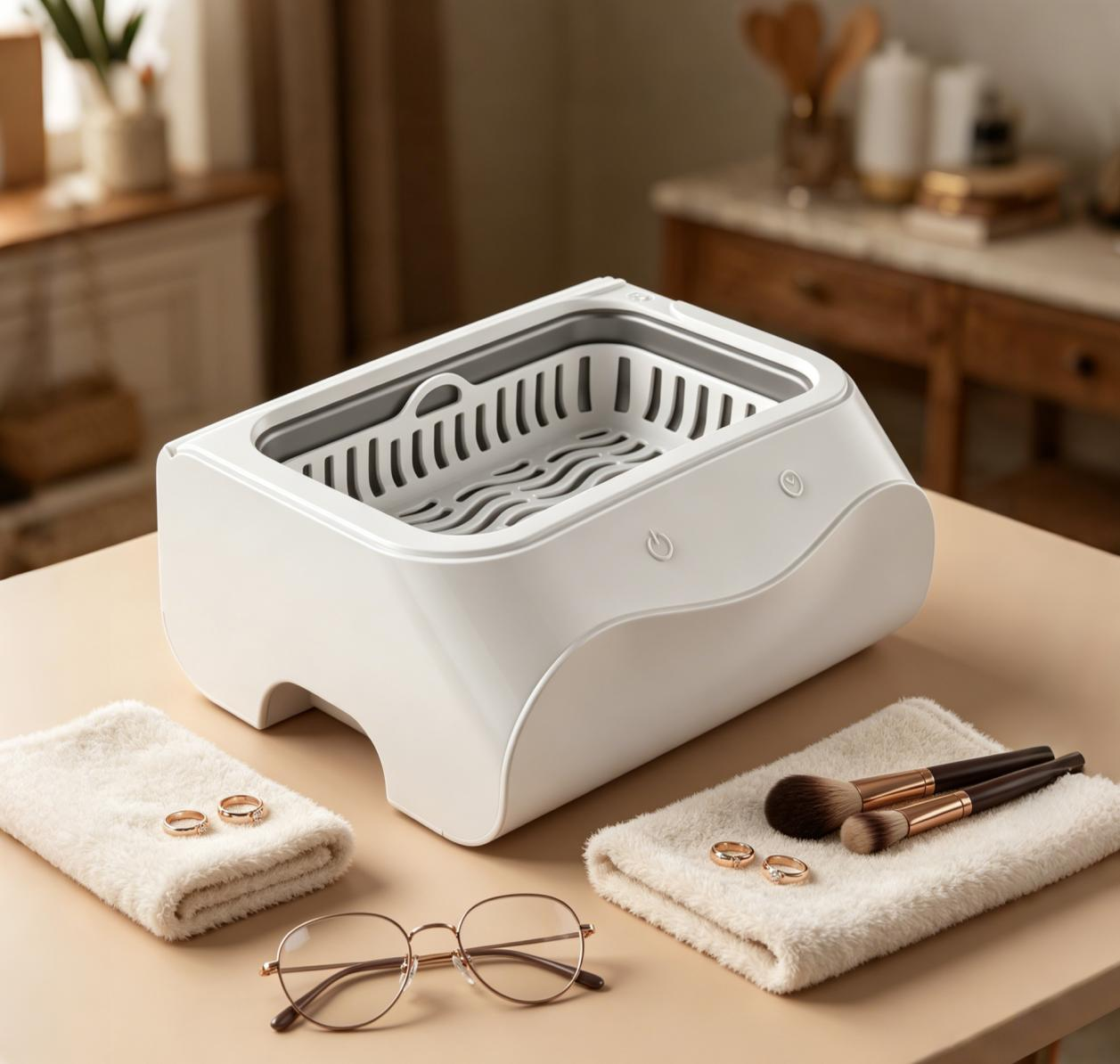
Yes, ultrasonic cleaners really can clean items effectively — but only when the right machine, cleaning solution, temperature, time and frequency are used for the right material.
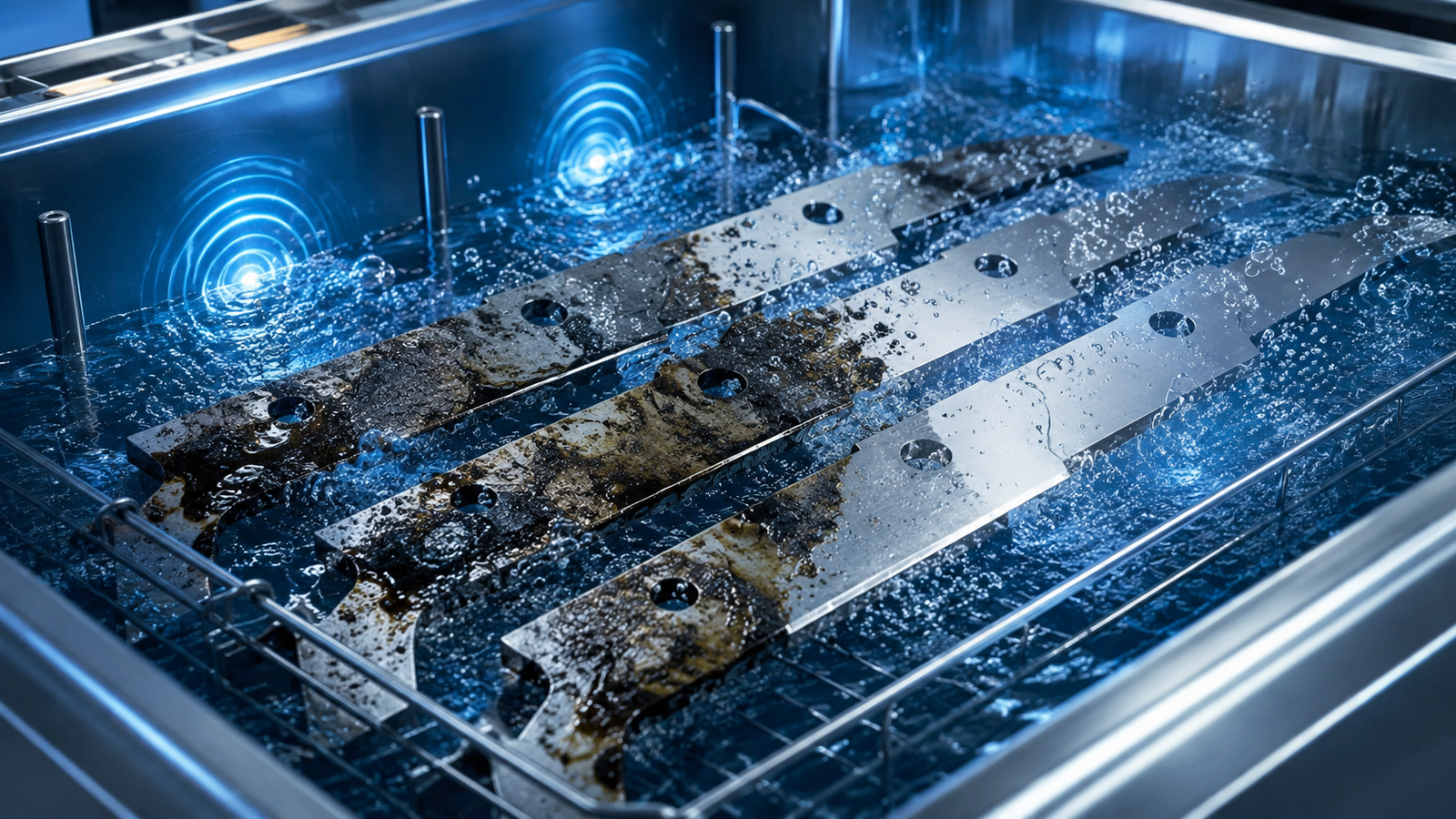
Unlike simple soaking or hand brushing, an ultrasonic cleaner uses high-frequency sound waves to create millions of microscopic bubbles in liquid. These bubbles form and collapse rapidly around the surface of an object. This process is called ultrasonic cavitation. When the bubbles implode, they release tiny but powerful cleaning forces that help loosen dirt, oil, grease, polishing compound, carbon deposits, fingerprints, bacteria-holding residues and particles from areas that are difficult to reach by hand. The CDC describes ultrasonic cleaning as a method that removes soil through cavitation and implosion in aqueous solutions.
This is why ultrasonic cleaning is widely used for jewelry, eyeglasses, dental retainers, tools, automotive parts, laboratory instruments, medical instruments, electronic components and industrial precision parts.
However, ultrasonic cleaning is not magic. It does not replace the need for the correct detergent, proper rinsing, drying, inspection or, in medical applications, disinfection and sterilization. It is best understood as a highly efficient cleaning technology that makes hidden dirt easier to remove.
How Does an Ultrasonic Cleaner Work?
An ultrasonic cleaner includes a stainless steel tank, ultrasonic transducers, a generator and usually a timer and heater. The transducers convert electrical energy into high-frequency vibration. These vibrations travel through the liquid in the tank and create cavitation bubbles.
The cleaning process usually depends on four key factors:
- Ultrasonic cavitation
- Suitable cleaning solution
- Correct temperature
- Proper cleaning time and frequency
STERIS explains that ultrasonic cleaning in sterile processing works through a combination of detergents, cavitation and flow or sonic irrigation, especially for complex instruments.
For common cleaning, many ultrasonic cleaners use frequencies around 40kHz. Lower frequencies such as 20–40kHz usually create stronger cavitation and are suitable for heavy grease, oil and durable metal parts. Higher frequencies such as 68kHz, 80kHz or above produce finer, gentler cavitation and are more suitable for precision cleaning, delicate parts and fine particles.
In simple terms:
Lower frequency = stronger cleaning force
Higher frequency = gentler, finer cleaning effect
That is why a household ultrasonic cleaner, a commercial dental retainer cleaner and a large industrial ultrasonic cleaning machine may look very different, even though they are based on the same scientific principle.
Can an Ultrasonic Cleaner Clean Better Than Hand Washing?
In many situations, yes.
Hand washing mainly cleans the areas you can see and touch. Ultrasonic cleaning can reach small holes, grooves, gaps, hinges, inner corners, textured surfaces and complex shapes. This is especially useful for items such as rings, eyeglass nose pads, dental retainers, razor heads, watch bands, machine parts and medical instruments.
Consumer cleaning guides often recommend ultrasonic cleaners for detailed items such as glasses, razors, dental gear, jewelry and small tools because the bubbles can reach areas that are difficult to scrub manually.
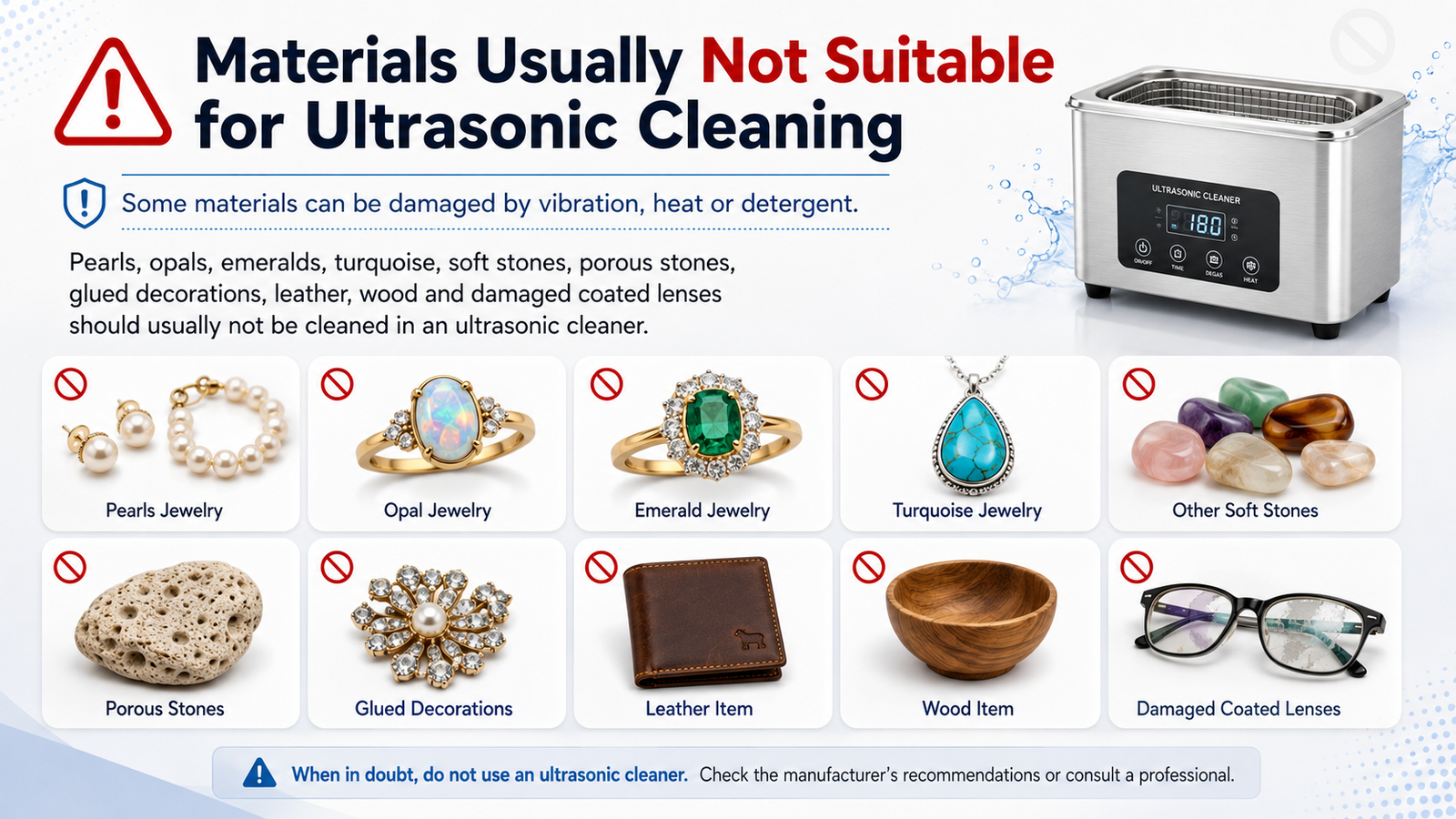
But ultrasonic cleaning is not suitable for everything. Some materials can be damaged by vibration, heat or detergent. Pearls, opals, emeralds, turquoise, soft stones, porous stones, glued decorations, leather, wood and damaged coated lenses should usually not be cleaned in an ultrasonic cleaner.
Home Use: What Can an Ultrasonic Cleaner Clean at Home?
For home users, ultrasonic cleaners are popular because they are easy to use, compact and effective for daily items.
Common household applications include:
- Eyeglasses
- Dental retainers and aligners
- Dentures
- Rings, necklaces and bracelets
- Razor heads
- Makeup tools
- Keys and coins
- Nail clippers
- Small metal accessories
- Watch bands, if the watch body is not placed in the water
For home cleaning, water may be enough for light dust or fingerprints, but a mild cleaning solution usually improves results. Omegasonics notes that ultrasonic cleaning can use water, but a proper cleaning agent enhances the cleaning effect depending on the item and soil type.
A typical home-use cleaning cycle may take only a few minutes. For daily items such as retainers, eyeglasses or jewelry, the goal is usually to remove light residues, oils, dust and odor-causing buildup.
However, home users should remember three important rules:
First, do not put the full watch body, electronic device or waterproof-rated product into the ultrasonic bath unless the manufacturer clearly allows it.
Second, do not clean soft or porous gemstones such as pearls, opals, emeralds or turquoise.
Third, always rinse and dry the item after cleaning. Ultrasonic cleaning loosens contamination, but rinsing removes the suspended residues and detergent from the surface.
Commercial Use: Why Businesses Use Ultrasonic Cleaners
Commercial ultrasonic cleaners are commonly used in jewelry stores, optical shops, dental clinics, beauty salons, repair shops, laboratories and restaurants.
For businesses, the value is not only cleaning performance. It is also consistency, speed and labor saving.
A jewelry shop can clean rings and metal accessories more professionally. An optical shop can remove dirt from eyeglass frames and nose pads. A dental clinic can use ultrasonic cleaning as part of instrument reprocessing. A repair shop can remove grease from small mechanical parts. A salon can clean metal tools more efficiently before the next hygiene step.
Commercial use usually requires stronger machines than small home models. Important features include:
- Larger tank capacity
- More stable ultrasonic power
- Heating function
- Degas function
- Digital timer
- Stainless steel basket
- Drain valve
- Continuous working ability
- Correct cleaning chemistry for the application
For commercial buyers, the key question is not only “Can it clean?” but also “Can it clean consistently every day?”
This is where machine quality matters. A good commercial ultrasonic cleaner should produce stable cavitation, distribute ultrasonic energy evenly and match the tank size to the items being cleaned.
Industrial Use: Removing Oil, Grease, Carbon and Production Residues
Industrial ultrasonic cleaning is used in automotive, aerospace, electronics, machining, hardware, mold, plating, medical manufacturing and precision parts industries.
Industrial parts often have more difficult contamination, such as:
- Cutting oil
- Grease
- Carbon deposits
- Polishing compound
- Metal chips
- Dust
- Rust residue
- Flux residue
- Fingerprints
- Coolant
- Fine particles before coating, plating or assembly
Compared with household cleaning, industrial ultrasonic cleaning usually requires stronger power, larger tanks, heating, filtration, oil skimming, multiple tanks, lifting systems or customized baskets.
For example, a machined metal part may need:
- Ultrasonic degreasing
- Rinsing
- Fine cleaning
- Hot air drying
- Inspection before assembly or coating
Cleaning parameters such as temperature, ultrasonic frequency, power, detergent type and concentration all influence cavitation and final cleaning results. Kemet lists temperature, frequency, ultrasonic power and cleaning chemistry as important factors affecting cavitation.
For heavy-duty metal parts, lower frequencies can create stronger cavitation. For precision components, higher frequencies can provide finer cleaning with less surface impact. This is why industrial ultrasonic cleaners are often customized according to the workpiece material, contamination type, cleaning standard and production capacity.
Medical and Dental Use: Cleaning Before Disinfection or Sterilization
Ultrasonic cleaners are widely used in medical and dental environments because many instruments have hinges, grooves, joints and hard-to-reach areas. Ultrasonic cavitation helps remove blood, tissue residue, saliva, protein-based soil and other debris before further reprocessing.
The CDC states that cleaning must remove debris and organic contamination before disinfection or sterilization because remaining blood, saliva or contamination can interfere with the effectiveness of later steps. The CDC also notes that automated cleaning equipment, including ultrasonic cleaners, can improve cleaning effectiveness and reduce worker exposure.
This point is very important: ultrasonic cleaning is cleaning, not sterilization.
In medical applications, ultrasonic cleaning is usually part of a validated reprocessing workflow. After ultrasonic cleaning, instruments normally still require rinsing, drying, inspection, packaging and sterilization according to the relevant standard and manufacturer instructions.
An FDA document for a medical ultrasonic cleaning system also describes the equipment as providing an automated cleaning method as part of the reprocessing sequence and states that it is not intended to perform disinfection.
So, does an ultrasonic cleaner clean medical instruments? Yes, it can be highly effective for removing soil and residues. But does it sterilize them by itself? No. Medical sterilization requires a separate validated process.
Technology and Precision Cleaning: Why Ultrasonic Cleaning Matters
Modern technology requires cleaner and more precise parts than ever before. In electronics, optics, sensors, laboratory equipment and precision manufacturing, even tiny particles or invisible residues can affect product quality.
Ultrasonic cleaning is useful because it can remove contamination from complex and small structures without aggressive manual scrubbing. This makes it suitable for:
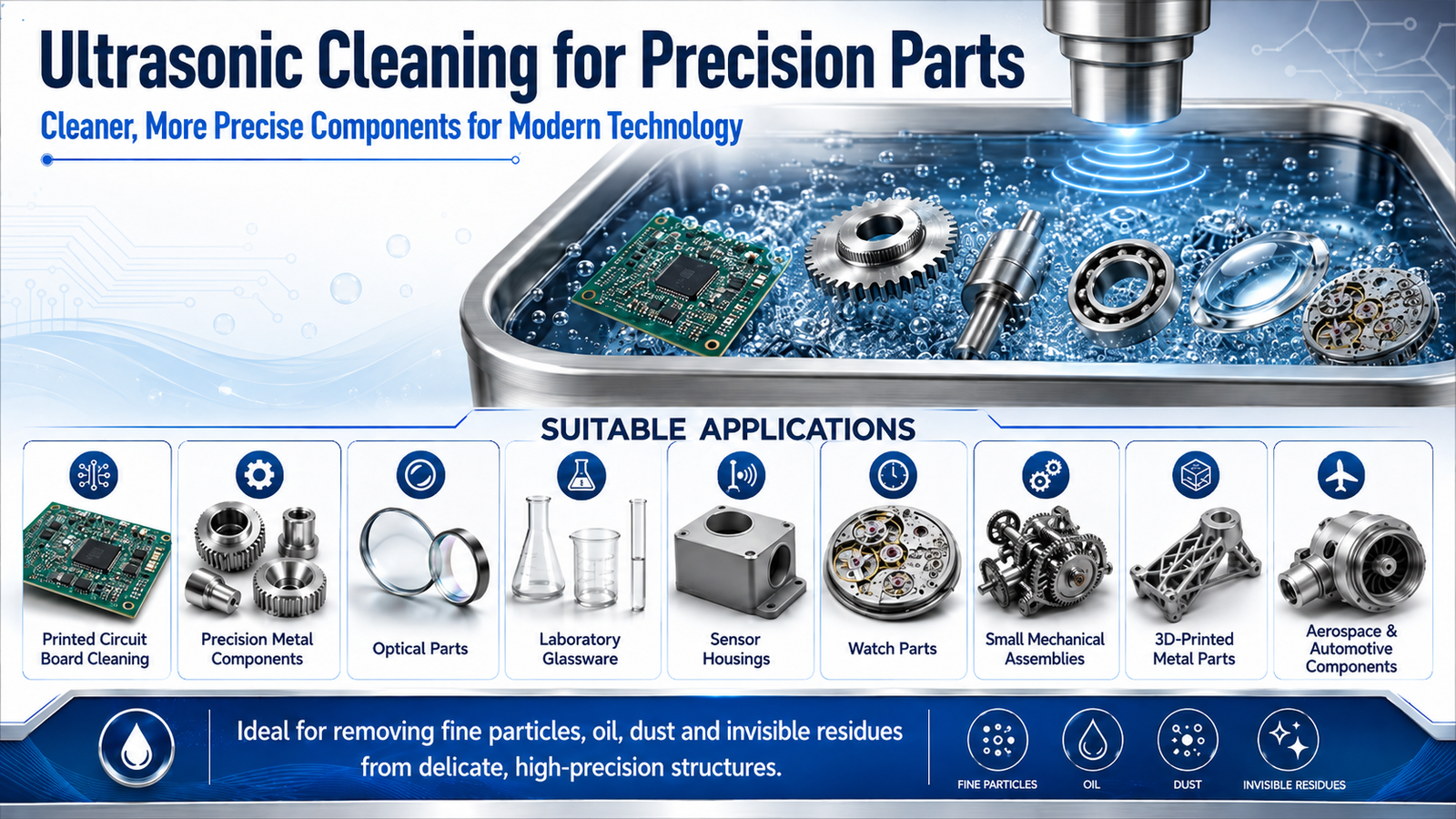
- Printed circuit board cleaning, when the design and components are compatible
- Precision metal components
- Optical parts
- Laboratory glassware
- Sensor housings
- Watch parts
- Small mechanical assemblies
- 3D-printed metal parts
- Aerospace and automotive components
However, precision cleaning requires careful parameter control. Some electronic components, coatings, adhesives or delicate assemblies may not be suitable for ultrasonic cleaning. The correct frequency, power, temperature, detergent and cleaning time must be selected based on the product.
This is also why professional ultrasonic cleaning suppliers often provide OEM and ODM solutions. A standard machine may be enough for general cleaning, but precision and industrial applications often need customized tank size, frequency, power, basket design, filtration, lifting mechanism, rinsing tank and drying system.
What Makes Ultrasonic Cleaning Effective?
An ultrasonic cleaner works best when these conditions are correct:
1. The item must be suitable for immersion
Ultrasonic cleaning works in liquid. If the item cannot be safely immersed, it should not be placed in the tank.
2. The cleaning solution must match the contamination
Oil, grease, rust, polishing wax, biological residue and dust may require different cleaning agents.
3. The temperature must be controlled
Warm liquid usually improves cleaning efficiency, especially for oils and grease. But excessive heat may damage sensitive materials or reduce the performance of certain enzymatic cleaners.
4. The frequency must match the cleaning task
Lower frequency is stronger for heavy contamination. Higher frequency is gentler for precision and delicate cleaning.
5. The tank should not be overloaded
Items should not block each other. Overloading reduces cavitation contact and leads to uneven cleaning.
6. Rinsing and drying are necessary
After ultrasonic cleaning, loosened dirt and detergent residue should be rinsed away. Drying prevents water spots and corrosion.
What Cannot Be Cleaned in an Ultrasonic Cleaner?
Not every item is safe for ultrasonic cleaning. Avoid cleaning:
- Pearls
- Opals
- Emeralds
- Turquoise
- Amber
- Coral
- Porous stones
- Fracture-filled stones
- Glued jewelry
- Leather
- Wood
- Damaged eyeglass coatings
- Full electronic devices
- Watches, unless the manufacturer allows ultrasonic cleaning
- Items with loose parts or weak coatings
If you are unsure, always check the item manufacturer’s instructions before cleaning.
Let’s see the video how it works
Is Water Enough for Ultrasonic Cleaning?
Sometimes, yes. For light dust, fingerprints or daily residue, water may be enough.
But for better results, especially with oil, grease, biological residues or industrial contaminants, a suitable ultrasonic cleaning solution is recommended. The cleaning solution helps break down dirt, reduce surface tension and allow cavitation bubbles to work more effectively around the item.
For home use, mild detergent may be enough. For commercial, dental, laboratory or industrial use, professional cleaning agents should be selected according to the material and contamination.
How Long Should Ultrasonic Cleaning Take?
Cleaning time depends on the item, contamination level, temperature, detergent and ultrasonic power.
Light household cleaning may take 3–5 minutes. Heavier grease or industrial residue may require 10–30 minutes or a multi-step process. Medical and dental cleaning should follow the device manufacturer’s instructions and the facility’s reprocessing protocol.
Longer cleaning does not always mean better cleaning. Excessive cleaning time may damage delicate items, loosen glued parts or affect coatings.
So, Do Ultrasonic Cleaners Really Clean?
Yes. Ultrasonic cleaners can clean very effectively because they use cavitation to reach areas that brushes, cloths and manual washing cannot easily access.
For home users, they are convenient for retainers, eyeglasses, jewelry and small personal items. For commercial users, they improve speed, consistency and professional cleaning quality. For industrial users, they remove oil, grease, particles and manufacturing residues from complex parts. For medical and dental use, they help remove soil before disinfection or sterilization. For technology and precision manufacturing, they support cleaner, more reliable components.
The key is choosing the right ultrasonic cleaner for the job.
A small home cleaner is not designed for heavy industrial grease. A commercial cleaner may not meet medical workflow requirements. An industrial cleaning system may need custom frequency, tank size, filtration, heating, rinsing and drying to achieve the required result.
This video demonstrates a household ultrasonic cleaner for daily cleaning of aligners, glasses, jewelry, razors and small personal items. It shows how ultrasonic waves help clean small gaps and hard-to-reach areas.Choosing the Right Ultrasonic Cleaner Supplier
When selecting an ultrasonic cleaner, consider:
- What items need to be cleaned?
- What contamination needs to be removed?
- What material is the item made of?
- What tank size is required?
- Is heating necessary?
- What frequency is suitable?
- Is filtration required?
- Is rinsing or drying needed?
- Will the machine be used occasionally or continuously?
- Do you need OEM or ODM customization?
At SCT, we provide ultrasonic cleaning solutions for household, commercial and industrial applications. From compact ultrasonic cleaners for daily use to customized industrial ultrasonic cleaning systems, we help customers choose the right cleaning process according to their product, industry and cleaning target.
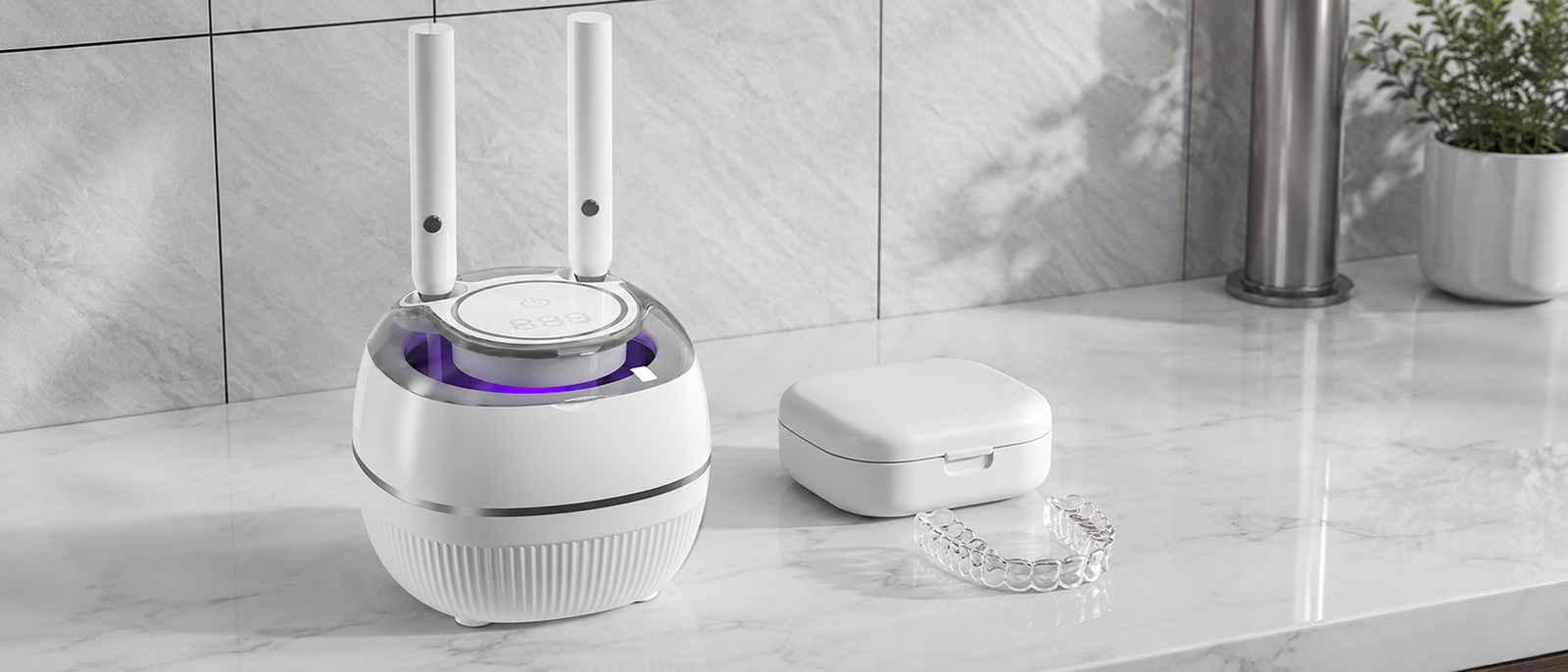
Whether you need to clean dental retainers, eyeglasses, jewelry, tools, automotive parts, laboratory equipment, precision components or industrial workpieces, the right ultrasonic cleaning system can make cleaning faster, deeper and more consistent.
FAQ
1. Does an ultrasonic cleaner remove bacteria?
Ultrasonic cleaning can help remove residues and soils that may hold microorganisms, but it should not be considered sterilization. In medical and dental use, cleaning is only one step before disinfection or sterilization.
2. Can I use only water in an ultrasonic cleaner?
Yes, for light cleaning. However, a suitable cleaning solution usually improves cleaning performance, especially for oil, grease and heavy residues.
3. Can ultrasonic cleaners damage items?
Yes, if the item is not suitable. Avoid pearls, opals, emeralds, soft stones, glued jewelry, leather, wood, damaged coatings and electronic devices not designed for immersion.
4. What frequency is best for ultrasonic cleaning?
Around 40kHz is commonly used for general cleaning. Lower frequencies are stronger for heavy-duty cleaning, while higher frequencies are gentler for precision and delicate parts.
5. Is an ultrasonic cleaner better than hand washing?
For complex shapes, small gaps and hard-to-reach areas, ultrasonic cleaning can be more effective than hand washing. However, it should still be combined with proper detergent, rinsing and drying.
6. Can ultrasonic cleaners be used for industrial parts?
Yes. Industrial ultrasonic cleaners are widely used for metal parts, automotive components, molds, tools, precision parts and production cleaning. Industrial applications often require customized tank size, ultrasonic power, heating, filtration and rinsing systems.
7. Is ultrasonic cleaning safe for medical instruments?
It can be used as part of the cleaning step when the instrument and process allow it. However, ultrasonic cleaning does not replace disinfection or sterilization. Medical users must follow the instrument manufacturer’s instructions and applicable reprocessing standards.