
What Else Can You Clean With a Home Ultrasonic Cleaner? Uses Beyond Jewelry and Glasses

When people think about home ultrasonic cleaner uses, jewelry and eyeglasses are usually the first things that come to mind. But a compact ultrasonic cleaner can do much more than clean rings and glasses.
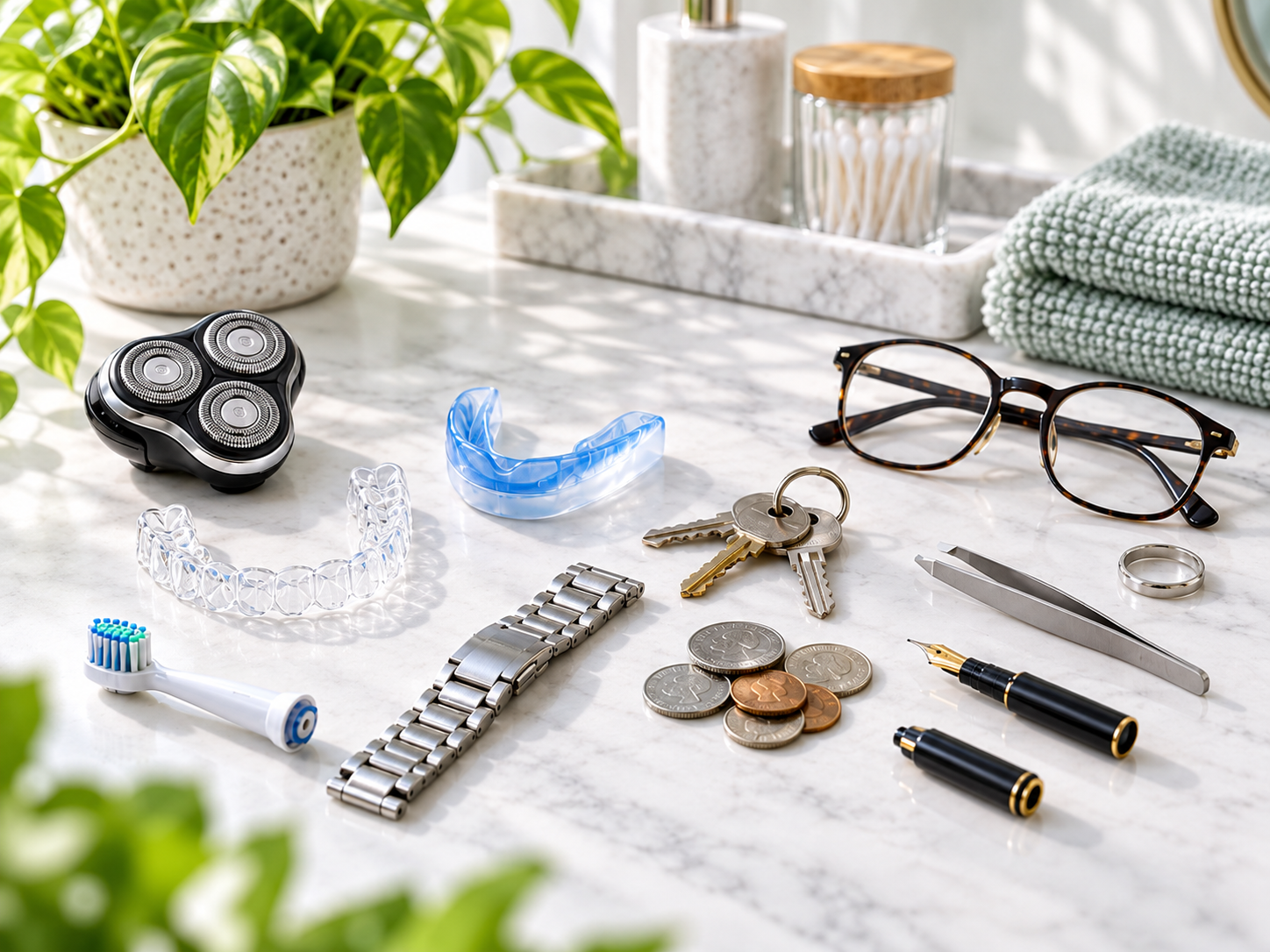
From retainers and removable watch bands to razor heads, keys, coins and small grooming tools, ultrasonic cleaning can be surprisingly useful for everyday household items—especially those with tiny gaps, grooves and hard-to-reach surfaces.
A compact ultrasonic cleaner can also be useful for cleaning many everyday items with small gaps, grooves, holes and hard-to-reach surfaces. Depending on the size of the tank and the materials being cleaned, it can be used for dental appliances, grooming tools, watch bands, coins, keys and other small household accessories.
So, what can you actually clean in a home ultrasonic cleaner?
Let’s look beyond rings and glasses.
Why Are Ultrasonic Cleaners So Versatile?
Ultrasonic cleaners work differently from brushes or wipes.
High-frequency sound waves travel through water or cleaning solution and create microscopic bubbles. When these bubbles rapidly form and collapse—a process known as cavitation—they help loosen dirt, oils and residues from surfaces and tiny spaces that are difficult to reach manually.
That makes ultrasonic cleaning particularly useful for objects with:
- Narrow gaps
- Small holes
- Textured surfaces
- Hinges and joints
- Grooves and recesses
- Complex shapes
This is why the same basic cleaning technology is used for everything from jewelry to dental appliances and precision components.
1. Retainers, Aligners and Mouthguards
One of the most practical modern uses of a small ultrasonic cleaner is cleaning removable dental appliances.
These may include:
- Retainers
- Clear aligners
- Mouthguards
- Dentures
- Other compatible removable dental appliances
These products often contain narrow edges, grooves and recessed areas where residue can accumulate.
Ultrasonic cleaning helps water reach these difficult areas without relying entirely on brushing.
For people who wear retainers or aligners every day, this can make a compact ultrasonic cleaner much more useful than a machine purchased only for occasional jewelry cleaning. Manufacturers of household ultrasonic cleaners commonly list dentures and retainers among their supported applications.
Important: Ultrasonic cleaning removes debris and residue, but it should not automatically be considered sterilization or disinfection unless the device has a separate validated sanitizing function.
2. Electric Shaver Heads and Razor Parts
Hair, skin oils and shaving residue can collect inside the small openings of electric shaver heads.
Even after rinsing, some debris may remain inside the cutter assembly.
For compatible removable and waterproof shaver components, ultrasonic cleaning can help loosen contamination from these narrow spaces.
Traditional razor blades and small metal grooming parts may also be suitable when their materials are compatible with water and ultrasonic cleaning. Household ultrasonic cleaner manuals specifically include electric shaver heads and razor blades among possible applications.
Never immerse the electrical body, motor, charging contacts or other non-waterproof electronic components.
3. Toothbrush Heads and Small Oral-Care Accessories
Removable toothbrush heads are another interesting application.
Toothpaste residue and debris can accumulate around the base of bristles and connecting areas where normal rinsing may not reach effectively.
Some consumer ultrasonic cleaner manufacturers therefore list toothbrushes or removable toothbrush components among compatible hygiene items.
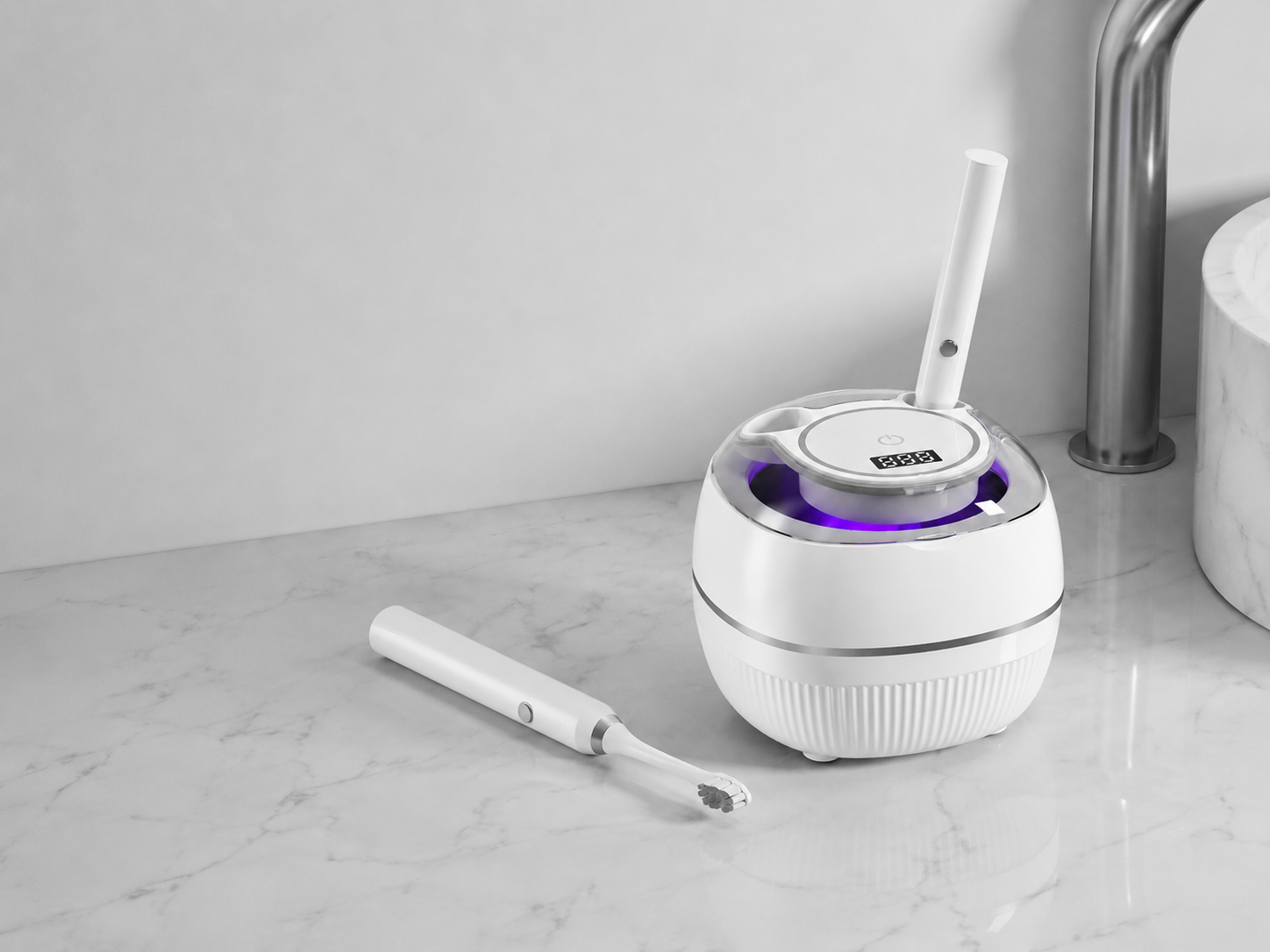
Again, compatibility matters. Do not place an entire powered toothbrush handle into the cleaning tank.
4. Metal Watch Bands
A watch bracelet contains dozens of tiny gaps between its links.
Sweat, skin oils, dust and other residues can gradually collect between these joints.
A removable metal watch band can therefore be a very good candidate for ultrasonic cleaning.
However, there is an important distinction:
Cleaning a watch band is not the same as immersing an entire watch.
Some professional guidance specifically recommends keeping the watch case and movement out of the ultrasonic bath because seals, gaskets or internal components may be affected.
If possible, remove the bracelet and clean it separately.
5. Coins and Metal Collectibles
Coins, tokens, badges, keychains and other durable metal objects can collect dirt inside lettering, patterns and recessed details.
Ultrasonic cavitation can reach these areas much more easily than a cloth.
Common household ultrasonic cleaner manuals list items such as:
- Coins
- Badges
- Keychains
- Small metal accessories
as possible cleaning applications.
However, valuable antique or collectible coins should be treated differently. Cleaning can sometimes reduce their collector value, regardless of the cleaning method.
6. Keys and Small Everyday Metal Accessories
Think about how often you touch your keys.
Their grooves, holes and textured surfaces can trap oils and dirt over time.
Metal keys, key rings and compatible small accessories can usually fit easily inside a compact household ultrasonic cleaner.
This makes the machine useful for much more than objects stored in a jewelry box.
7. Fountain Pen Nibs and Small Stationery Parts
Dried ink can build up around the tiny channels of fountain pen nibs and feed-related components.
Some ultrasonic cleaner manufacturers list fountain pens, calligraphy nibs and similar small stationery components among possible applications.
However, only compatible removable parts should be cleaned.
Do not automatically immerse an entire valuable pen, particularly if it contains:
- Wood
- Lacquer
- Adhesive
- Delicate coatings
- Porous materials
8. Small Metal Tools
Small household tools can also benefit from ultrasonic cleaning.
Examples may include compatible:
- Tweezers
- Nail clippers
- Metal scissors
- Precision tool heads
- Small hardware
- Metal nozzles
- Small removable mechanical parts
These objects frequently have joints, serrations or recessed areas that are difficult to clean manually.
This is one reason ultrasonic technology extends far beyond personal accessories. Commercial ultrasonic cleaning systems are widely used for tools and mechanical components as well.
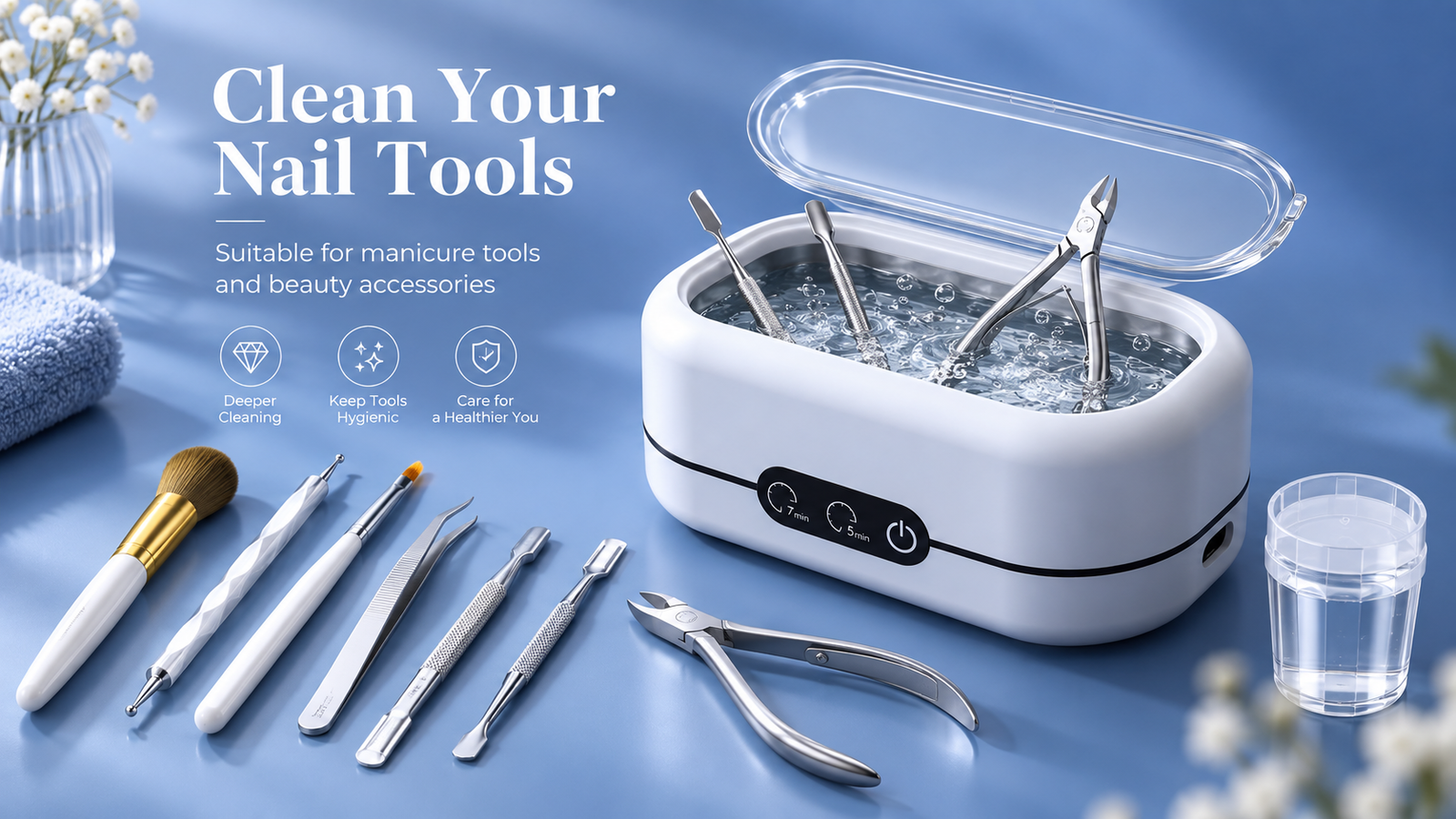
9. Beauty and Grooming Tools
Certain water-resistant metal beauty tools may also be suitable, such as:
- Metal tweezers
- Nail-care tools
- Some removable cosmetic tool components
- Compatible grooming accessories
Some consumer ultrasonic cleaner manufacturers also advertise makeup-related tools as possible applications.
However, be careful with makeup brushes or accessories that rely on glue to hold bristles or decorative parts together. Ultrasonic vibration, water and cleaning chemicals can weaken some adhesive bonds.
For expensive or glued cosmetic tools, hand cleaning may be safer.
10. Small Kitchen and Household Metal Parts
Depending on tank size, a household ultrasonic cleaner may also handle some small compatible kitchen accessories or removable metal components.
Consumer cleaner manuals have listed items such as small kitchen utensils, valves, filters and nozzles among possible applications.
This does not mean every kitchen item should go into a small personal ultrasonic cleaner. Material compatibility, tank capacity and hygiene considerations should always be checked first.
How Wide Are Home Ultrasonic Cleaner Uses?
A better way to think about ultrasonic cleaning is not:
Home ultrasonic cleaner uses can extend far beyond personal accessories, depending on the material, size and construction of the object being cleaned.
Instead, ask:
“Is this a small, waterproof, ultrasonic-compatible object with dirt trapped in areas that are difficult to reach?”
If the answer is yes, ultrasonic cleaning may be useful.
That turns a household ultrasonic cleaner from a jewelry cleaning machine into a more versatile personal and everyday cleaning appliance.
A single compact unit may potentially be used for:
| Category | Examples |
|---|---|
| Dental Care | Retainers, aligners, dentures, mouthguards |
| Personal Care | Razor heads, toothbrush heads |
| Accessories | Metal watch bands, compatible jewelry |
| Everyday Items | Keys, keychains, coins |
| Grooming | Tweezers, nail-care tools |
| Stationery | Fountain pen nibs, small removable parts |
| Small Hardware | Nozzles, metal components, small tools |
The exact range depends on tank dimensions, ultrasonic frequency, cleaning solution and the material of the object.
What Should NOT Go Into a Home Ultrasonic Cleaner?
Versatility does not mean everything is safe to clean ultrasonically.
Some materials can be damaged by vibration, cavitation, heat or cleaning chemicals.
Avoid delicate or porous gemstones
The Gemological Institute of America warns against ultrasonic cleaning for many delicate, porous or treated gemstones, including materials such as:
- Pearls
- Opals
- Turquoise
- Coral
- Amber
- Many emeralds
- Lapis lazuli
- Malachite
Some gemstones are treated with oil, resin, wax or other fillers that ultrasonic cleaning may damage or remove.
Avoid glued objects
Ultrasonic vibration can potentially weaken adhesive joints.
Be cautious with:
- Glued gemstones
- Decorative accessories
- Repaired objects
- Bonded plastic components
- Makeup tools assembled with adhesive
Avoid electronics
Do not immerse items simply because they are described as “water resistant.”
Keep electronic assemblies, batteries, speakers, motors and charging components out of the tank unless the manufacturer specifically approves ultrasonic immersion. Ultrasonic cleaning guidance generally excludes electronic devices such as earbuds and headphones.
Be careful with coated surfaces
Coated lenses, painted parts, plating and delicate surface finishes may not tolerate ultrasonic cleaning.
Always check the product manufacturer’s cleaning instructions first.
Do You Need Cleaning Solution Every Time?
Not necessarily.
For light everyday residue, water may be sufficient for some applications.
For oily contamination, fingerprints or stubborn buildup, an appropriate ultrasonic cleaning solution may improve results.
The important word is appropriate.
Different materials react differently to acids, alkaline detergents, alcohols and other chemicals. Never assume that a stronger cleaning chemical will produce a better result.
For personal-use machines, follow the ultrasonic cleaner manufacturer’s instructions and the cleaning recommendations for the item itself.
Is a Home Ultrasonic Cleaner Worth Having?
If you only plan to clean one ring twice a year, perhaps not.
But if your household regularly uses retainers, aligners, razors, watch bands, metal accessories and other small items with difficult-to-reach surfaces, the value becomes easier to understand.
The biggest advantage of a home ultrasonic cleaner is not that it replaces every cleaning method.
It is that it handles a specific problem extremely well:
cleaning tiny spaces that are inconvenient to reach manually.
That is why ultrasonic cleaning technology has applications ranging from personal care products to jewelry, tools and precision components.
Final Thoughts
Jewelry and eyeglasses may be the best-known uses of a home ultrasonic cleaner, but they represent only a small part of what the technology can do.
Retainers, aligners, dentures, razor heads, toothbrush heads, removable metal watch bands, coins, keys, pen nibs and small tools are just some of the other potential applications.
The key is not to ask whether an object “fits inside the machine.”
Ask whether its material, construction and surface treatment are compatible with ultrasonic cleaning.
Choose the right objects, follow the manufacturer’s instructions and a compact ultrasonic cleaner can become one of the most versatile small cleaning appliances in the home.